DEAR MAYOR MAMDANI: “ARCHITECTURE IS ONE OF THE MOST POLITICAL FIELDS”
In a new series of bite-sized interviews by The World Around and PIN–UP Magazine, New York-based architects share their thoughts on how new Mayor Zohran Mamdani can improve their city—and how they can help, too.
By Sunena Maju
.png%3F2026-08-03T20%3A01%3A02.011Z&w=3840&q=85)
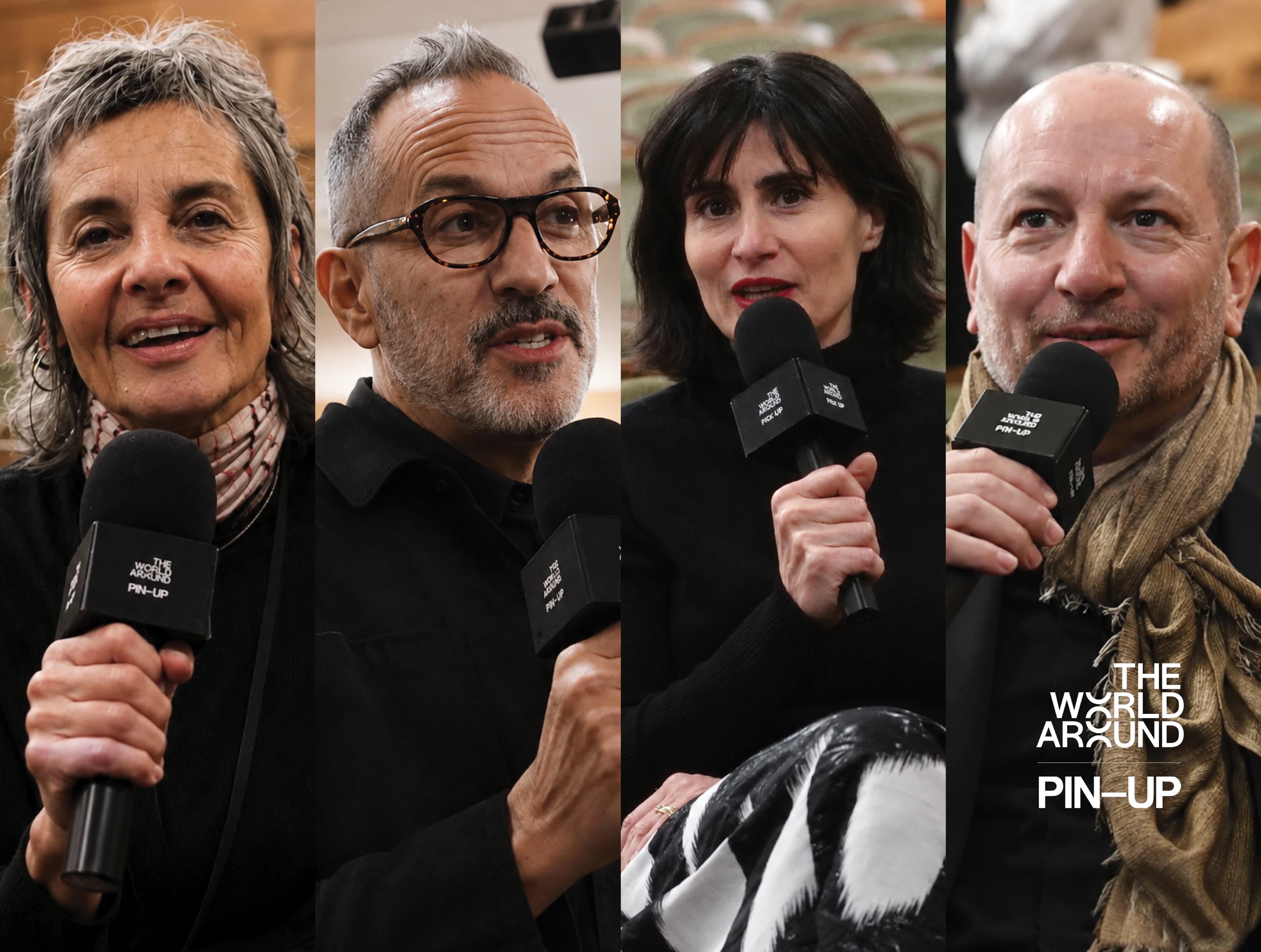
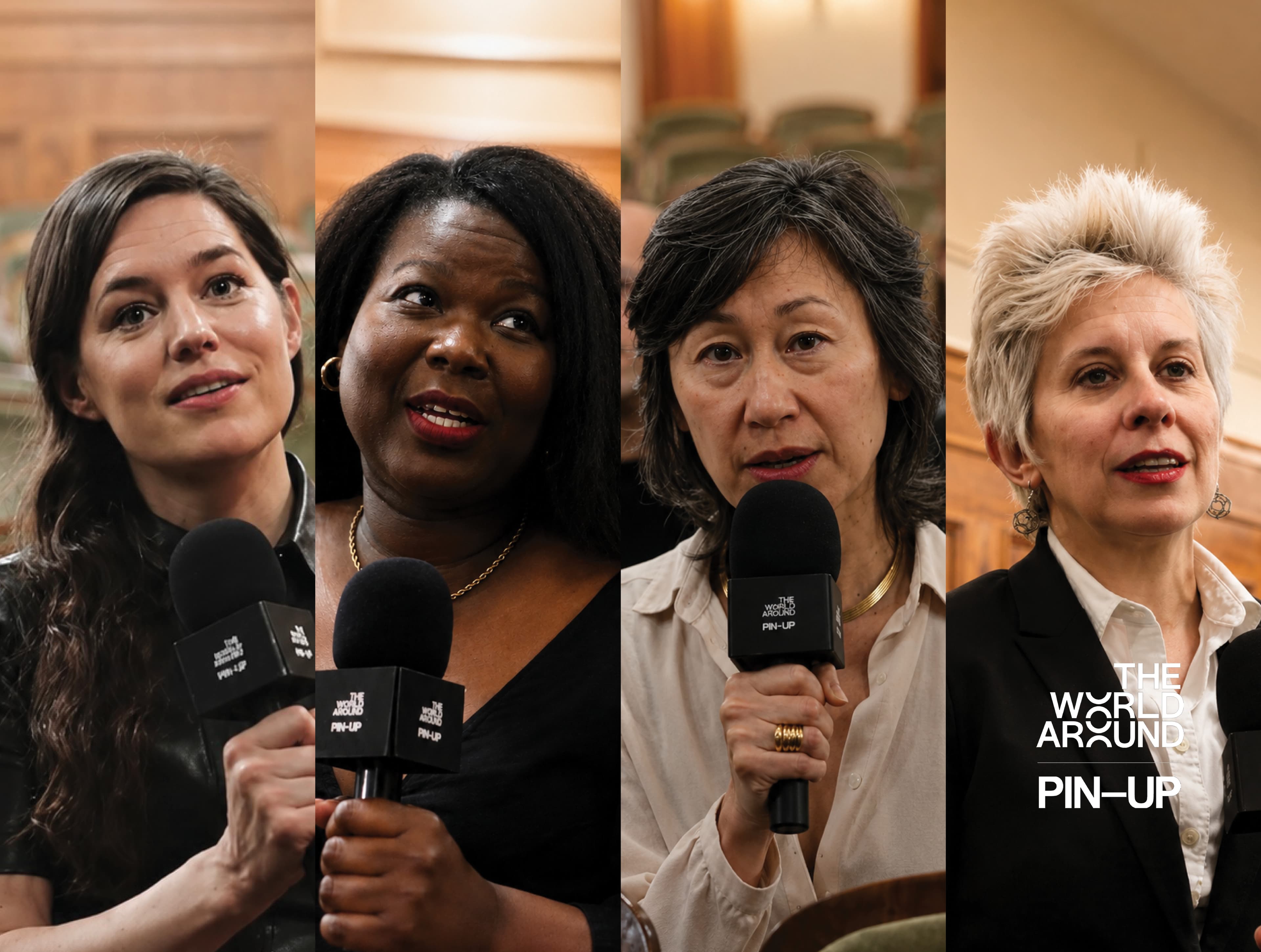
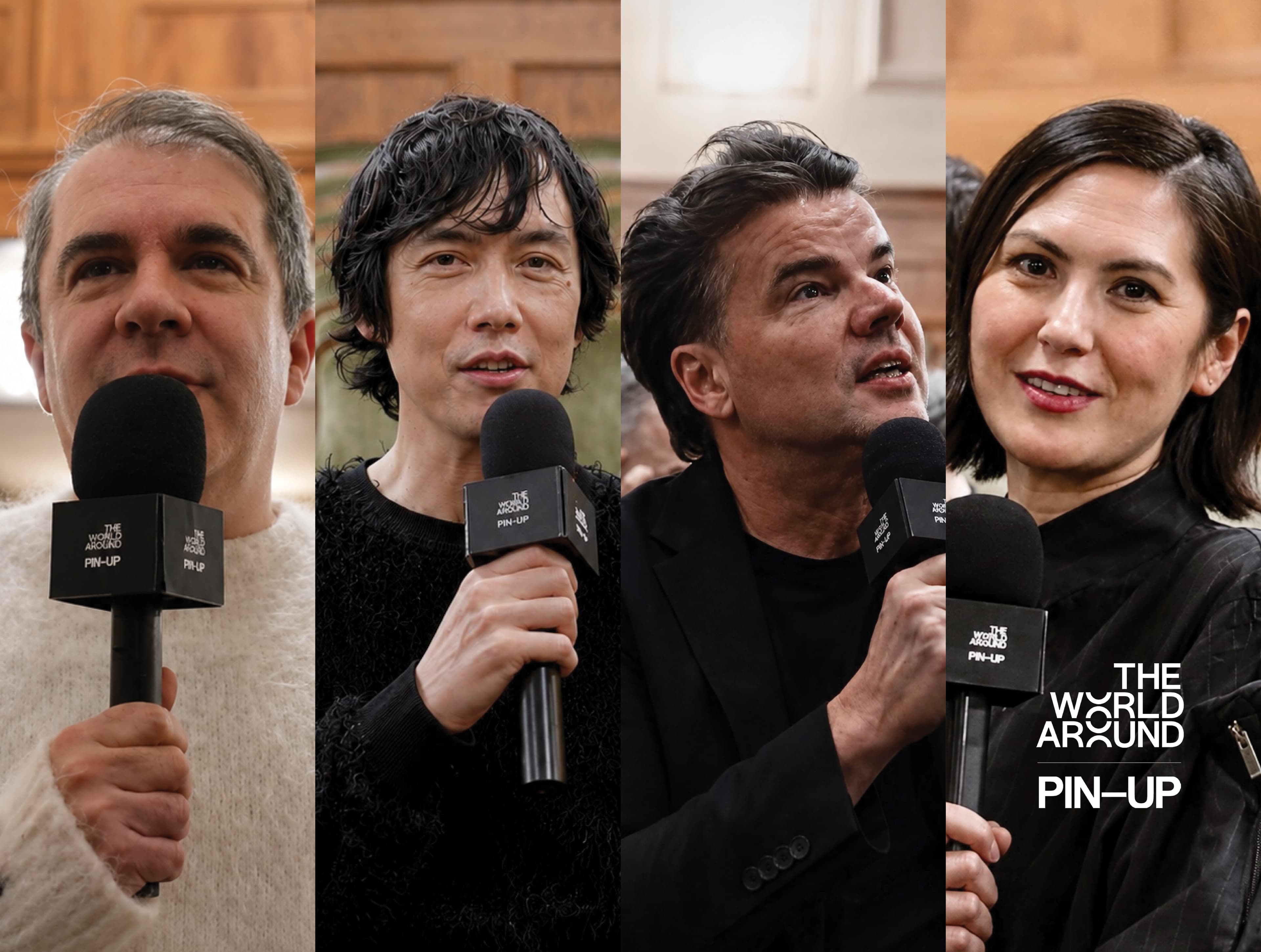
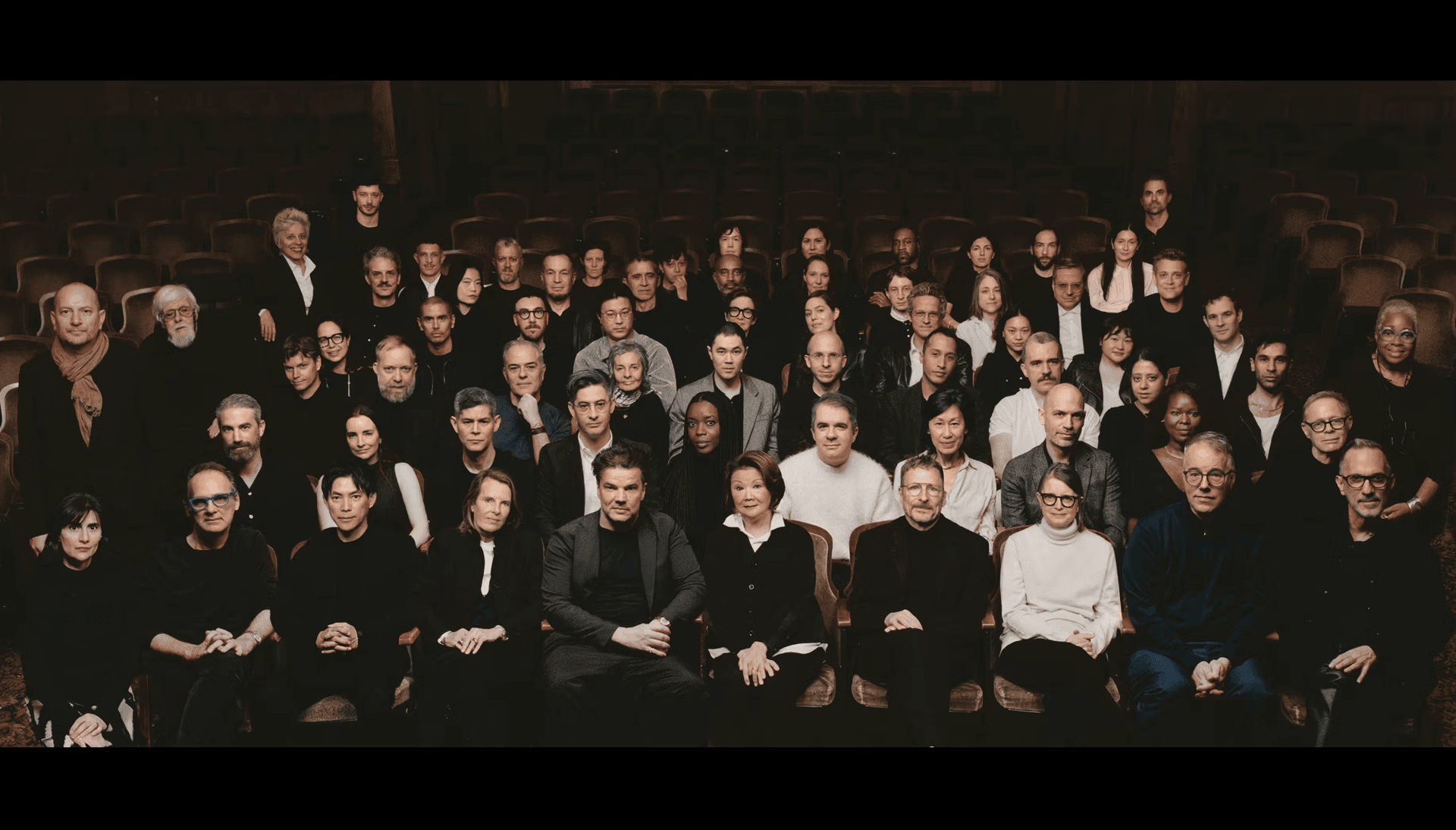
During the cover shoot for PIN–UP magazine’s 40th edition earlier this year, when New York City’s top architects were gathered in one room, we seized the opportunity to ask this group what they would share with the city’s new, progressive administration. The World Around believes that the people who think hardest about how we build our cities should be in direct conversation with the people who govern them. So together with PIN–UP, we’ve created a series titled Dear Mayor Mamdani in an attempt to bridge that gap; to bring the expertise, experience, and imagination of architects into the room where decisions are made. The responses we received covered a sweeping range of topics, across housing, nature, culture, politics, and the ground beneath our feet. We’ve summarized some of the standout points below, which would not only benefit New York, but could improve cities everywhere. This is one of five key ideas that emerged during the conversations, examining the politics of architecture and the spaces we create in the city, whether we know it or not.
"Architecture is a political act, by nature. It has to do with the relations between people and how they decide to change their conditions of living. Architecture is a prime instrument in making that change—because it has to do with building the environment they live in, and the relations that exist in that environment"—Lebbeus Woods
The phrase "Everything is political" has never rung truer, and architecture students are often not taught how important this is. Architecture is one of the key disciplines that shapes tangible politics. How a city is planned determines where peaceful protests can happen The ways in which public buildings and infrastructure are planned contribute to security concerns. The design of public spaces says who is welcome and who is not. Everything that is tangible in a city is designed, and everything designed is political: from fixed park benches that prevent homeless people from sleeping on them, to movable elements that become makeshift barricades during protests. In the last couple of years, we have seen the political nature of the cities we make in its truest form.
Architects around the world have started seriously thinking about the consequences of their creations and taking responsibility. When asked to share their thoughts with Mayor Mamdani, Mariam Issoufou's words were among the most urgent and relevant. "Architecture is one of the most political fields there is, whether we engage with it on that level or not,” she said. “The buildings we make, the spaces they take up in the city, how approachable they are, how inclusive they feel—these are all statements we are making. They all have social consequences, economic consequences, political consequences. They go a long way toward wellbeing at the end of the day."
“The buildings we make, the spaces they take up in the city, how approachable they are, how inclusive they feel—these are all statements we are making. ”
We have seen many protests, parades, sit-ins, strikes, and celebrations in New York City this year, and most of them happened in the same locations. Washington Square Park was a setting for large pro-Palestine protests, then became an epicenter for Pride celebrations. Bryant Park hosted the winter village and then World Cup screenings. Our public spaces are our places of free speech, political and personal expression, and safe gathering. And all these places were designed—both actively or passively. And New York’s architects believe that it is important for Mayor Mamdani to understand the politics of space.
"I think the Mayor should really think about the origins of power and the origins of inequity,” said Mabel O. Wilson. “That body of knowledge will help him understand the complexities of the built environment. Because it is precisely about power that has produced a landscape where the rich are living in extraordinary conditions, while the working class, the poor, and even the homeless have absolutely no resources available. This is the outcome of social and political processes, and I think he should know the origins of that. It will be helpful as the city moves forward under his leadership".
“We are in a time in history where we have to rethink it all.”
V. Mitch McEwen of Atelier Office brought it to a more intimate scale. "It is great for architects and arts and culture to be in the same room together—not only when the EDC [Economic Development Corporation] crowd is there, but when arts and culture is really laying out the vision, at a borough-by-borough level and an institutional level. Bring architects and urban designers into those rooms before the real estate developers and the EDC crowd arrive."
Ivi Diamantopoulou of New Affiliates added: "It would be great to see architects involved in the administration more actively, and to see design thinking shape how we imagine the future of the city." Meanwhile, Noam Dvir of BoND Architects highlighted why Mayor Mamdani is uniquely placed to understand this. "There is a unique opportunity with Mayor Mamdani being a native New Yorker and coming from a place where he understands the streets,” he said. “He rides the subway and takes the bus. This understanding of the different layers of infrastructure in the city is a unique opportunity to engage with problems and issues that are usually quite remote for people in the mayor's office."
To close, one of the city's most senior architects, James Wines of SITE, reminded us: "We are in a time in history where we have to rethink it all." Mayor Mamdani has the advantage, the opportunity, and the necessity to do exactly that—with many of New York’s top architects in his corner, ready and willing to help shape and improve their city.