DEAR MAYOR MAMDANI: “NEW YORK IS BUILT AS A LABORATORY FOR ARCHITECTURE”
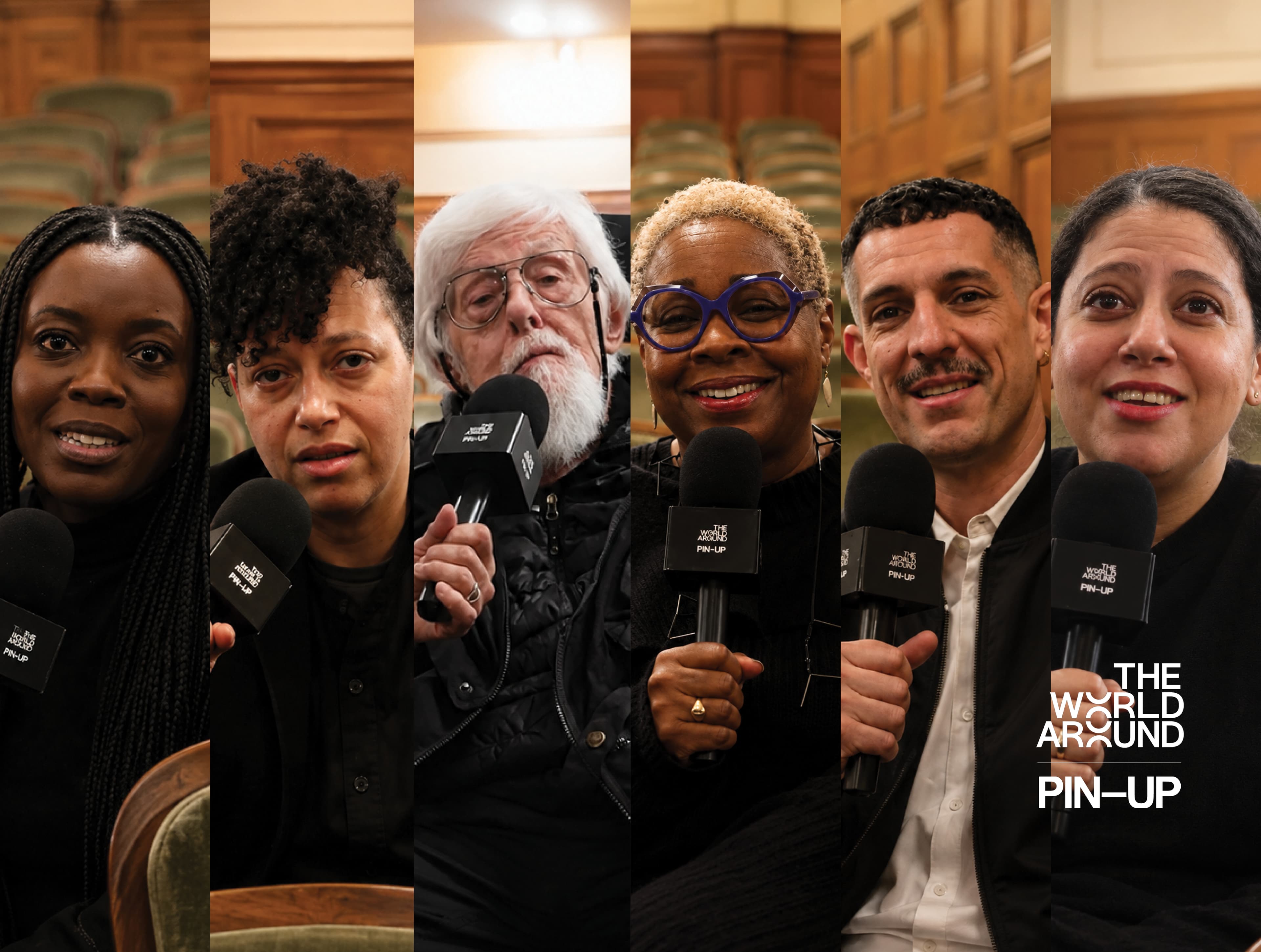
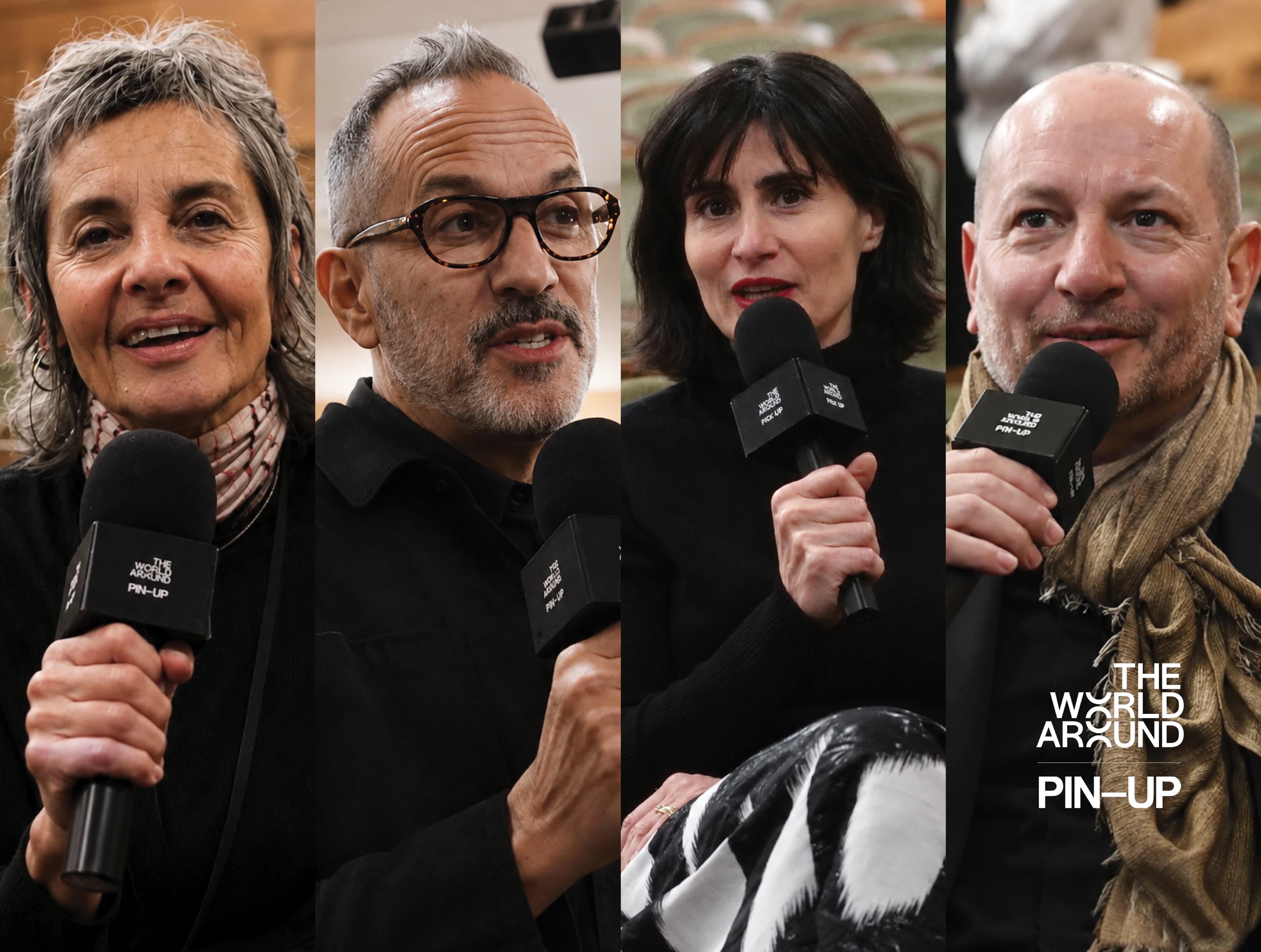
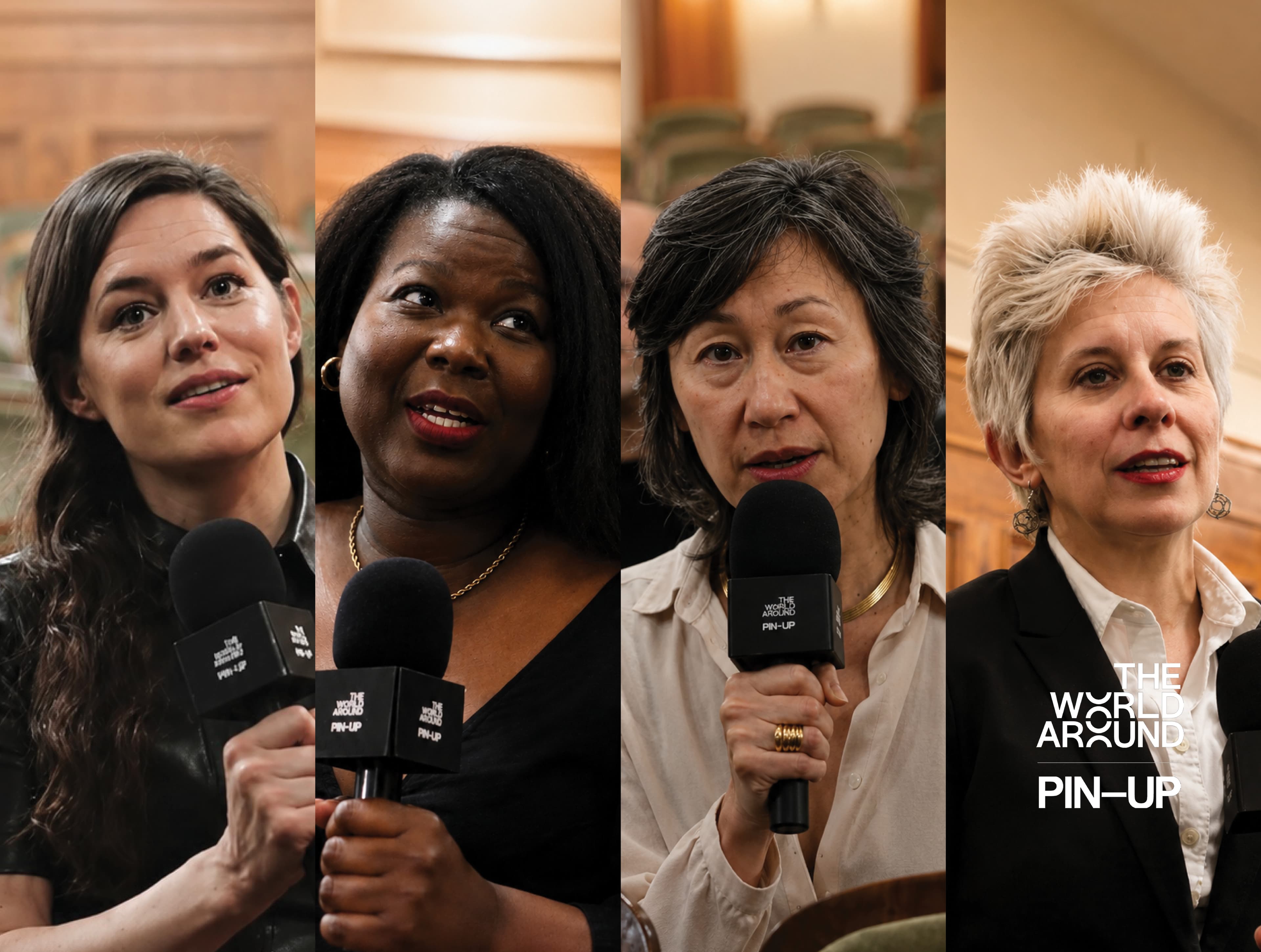
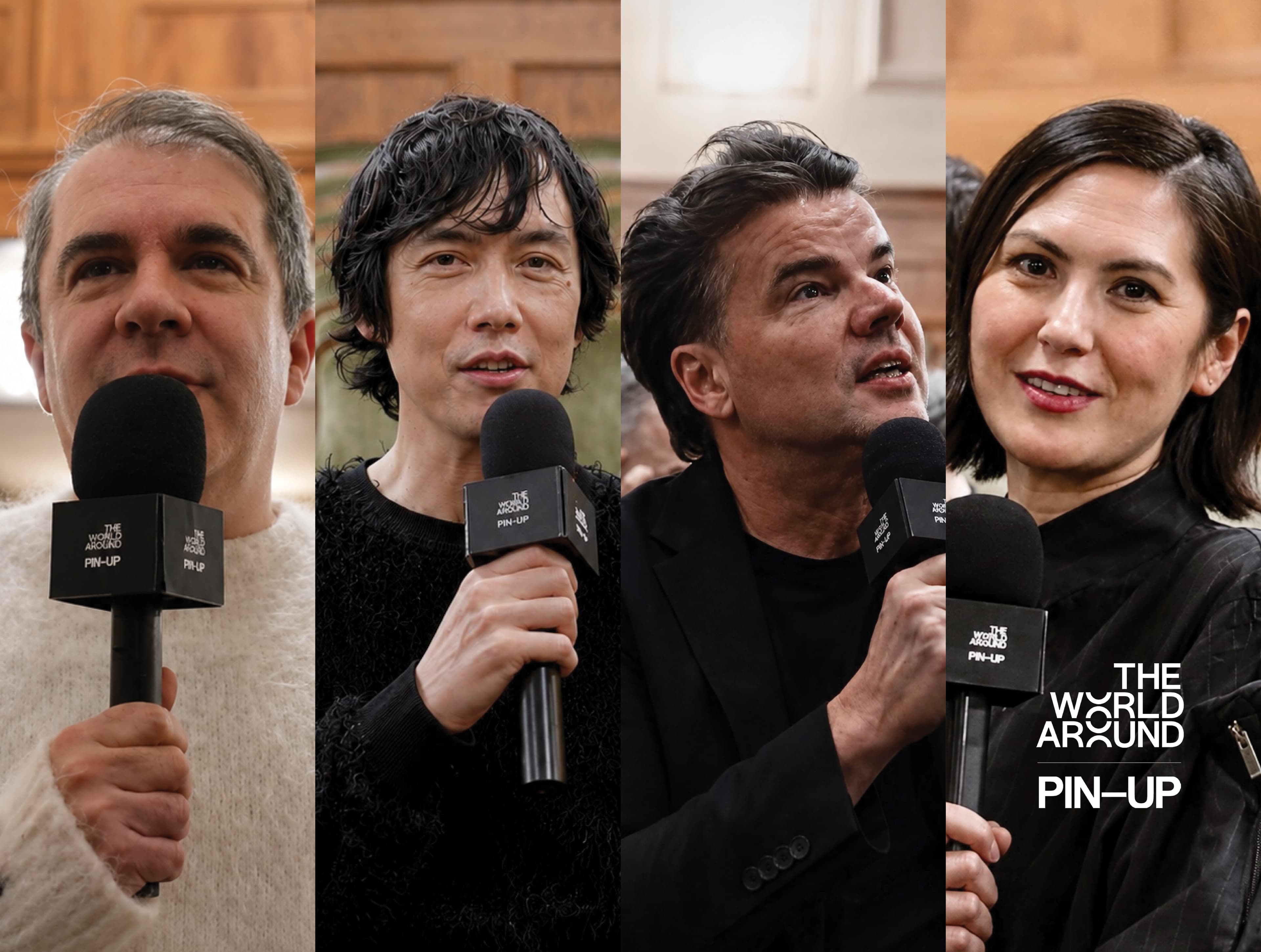
In a new series of bite-sized interviews by The World Around and PIN–UP Magazine, New York-based architects share their thoughts on how new Mayor Zohran Mamdani can improve their city—and how they can help, too.
By Sunena Maju
.png%3F2026-08-03T20%3A01%3A02.011Z&w=3840&q=85)
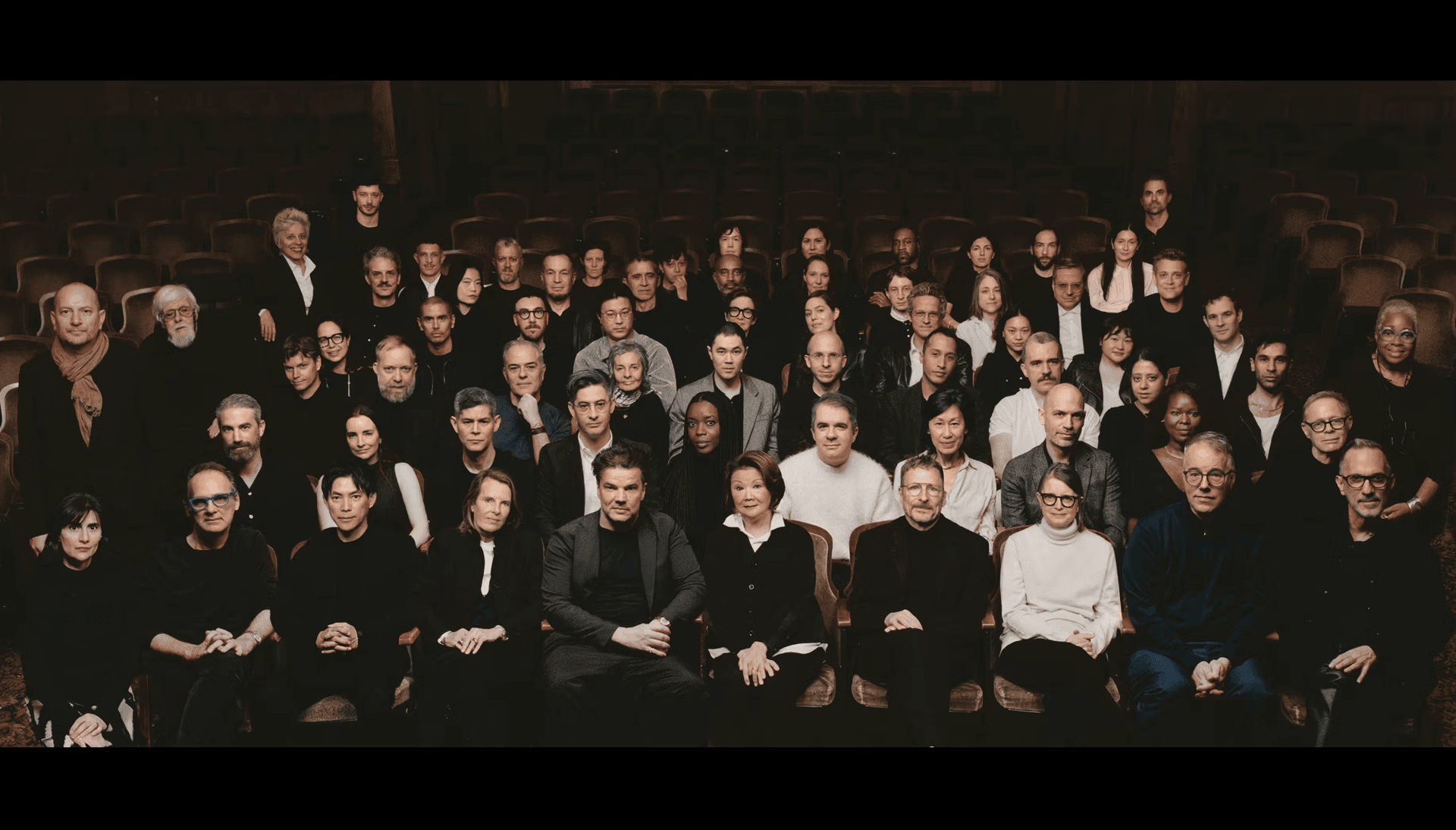
During the cover shoot for PIN–UP magazine’s 40th edition earlier this year, when New York City’s top architects were gathered in one room, we seized the opportunity to ask this group what they would share with the city’s new, progressive administration. The World Around believes that the people who think hardest about how we build our cities should be in direct conversation with the people who govern them. So together with PIN–UP, we’ve created a series titled Dear Mayor Mamdani in an attempt to bridge that gap; to bring the expertise, experience, and imagination of architects into the room where decisions are made. The responses we received covered a sweeping range of topics, across housing, nature, culture, politics, and the ground beneath our feet. We’ve summarized some of the standout points below, which would not only benefit New York, but could improve cities everywhere. This is one of five Insights on the key ideas that emerged during the conversations. New York is built as a Laboratory for Architecture discusses the idea of who gets to build the city and how we can let them.
There is a famous photograph called Lunch atop a Skyscraper. The black-and-white photograph was taken in 1932, of eleven ironworkers sitting on a steel beam of the RCA Building, 850 feet (260 meters) above the ground during the construction of Rockefeller Center in Manhattan, New York City. These men were immigrant ironworkers employed at the RCA Building during the construction of Rockefeller Center. The photograph was taken as part of a campaign promoting the skyscraper. What it became was something else entirely, a portrait of the city's founding logic. New York was not built by the people who owned it but by the people who showed up, climbed the scaffolding and did the work. That is a story of experimentation, risk and letting the people who are here build the place they live in; New York's architectural history.
Which is why what Nile Greenberg said this summer landed with such weight. "New York is built as a laboratory for architecture with experimentation in housing, in transit, in public space. It's time to let architecture be inventive again. Competitions, higher-risk architectural invention: these are the things that always made Manhattan an amazing place to live."
“We need to pursue that experimentation at all costs, or risk Manhattan becoming a gift shop.”
A gift shop. The image is strong and worth pausing on. A city that was once a site of production reduced to a surface of consumption, selling its own history back to the people who can barely afford to live there. The laboratory is slowly becoming a souvenir stand one finds along Times Square. The shift Greenberg is describing is more structural and systemic than aesthetic. The architects of today are not fighting for the right to build taller but for the right to build at all, specifically, to build the neighborhood-level infrastructure that holds daily life together. "The very small, locally grounded spaces and infrastructure become really critical," said Nahyun Hwang. "Those need much more support. I think there's a way to harness the creative talents and passion that architects and designers already have and direct it toward exactly those things."
Michael Abel pressed on that point that the talent is here when he brought up a moment that caught the architecture world off guard this summer. "The bathroom RFP (Request for Proposal) that Mayor Mamdani put together became a sensation, maybe the most-read article on The Architect's Newspaper in some time. That just shows how much architects in New York want to work on New York projects. This is a public bathroom. A small public bathroom. And the response it got tells you everything: a lot of New York architects don't actually work in New York. Which is a shame, because there's a lot of talent here."
America has no real on-ramp for young architects. In Europe, open competitions allow designers to build significant public work early in their careers. Here, the RFP process routes nearly every public project to a handful of established firms on the basis of past experience. To win work you need a track record. To build a track record you need work. The logic is circular and the door, for most, stays closed.
Andrea Chiney knows what that closed door costs. "Right now there are too many barriers to entry for young, up-and-coming designers to have an opportunity to be part of the urban fabric of the city. It would be really meaningful to see mentorship programs, or structured opportunities, for young designers to have a say in how the city is shaped." A structural change is what architects are calling for, the kind that would let a young architect build something real before they are forty.
“It would be really meaningful to see mentorship programs, or structured opportunities, for young designers to have a say in how the city is shaped.”
Jaffer Kolb knows where to start. "My advice for Mayor Mamdani is to find ways to plug the city's agencies into its young design talent. Each agency has a lot to offer, and young designers have so much imagination; the combination of the two could be extraordinary. Find as many outlets as possible for that creative synthesis."
The men in that 1932 photograph did not have credentials. They did not have track records. They had skill, nerve, and the willingness to climb. The city let them build anyway and what they built became the image the world associates with New York more than any other. The architects asking for their chance today are not asking for anything the city hasn't given before. They are asking for what was always the deal: show up, do the work, be allowed to leave your mark.