DEAR MAYOR MAMDANI: “TURN NEW YORK INTO AN OCEANIC CITY”
In a new series of bite-sized interviews by The World Around and PIN–UP Magazine, New York-based architects share their thoughts on how new Mayor Zohran Mamdani can improve their city—and how they can help, too.
By Sunena Maju
.png%3F2026-08-03T20%3A01%3A02.011Z&w=3840&q=85)
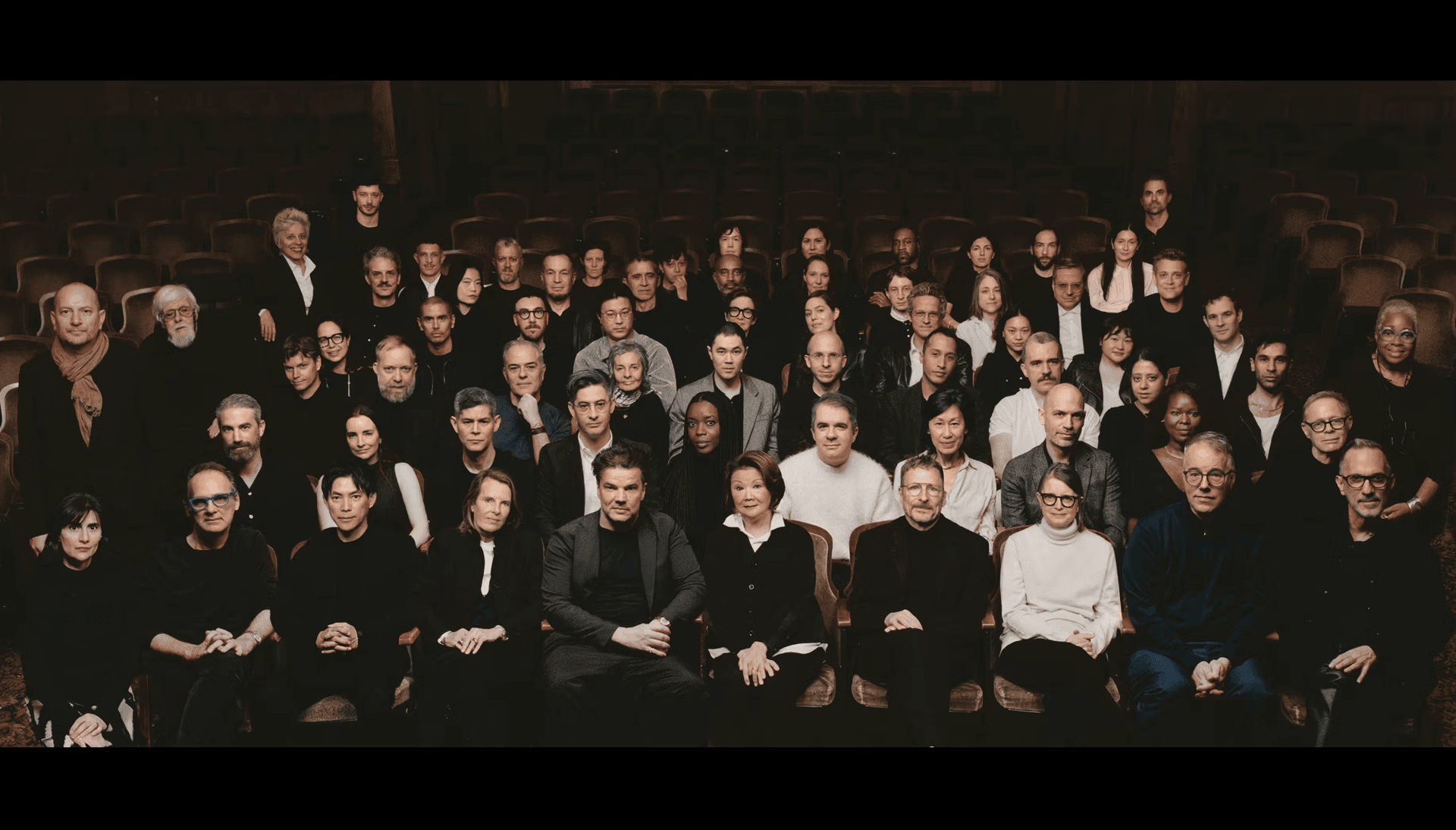
During the cover shoot for PIN–UP magazine’s 40th edition earlier this year, when New York City’s top architects were gathered in one room, we seized the opportunity to ask this group what they would share with the city’s new, progressive administration. The World Around believes that the people who think hardest about how we build our cities should be in direct conversation with the people who govern them. So together with PIN–UP, we’ve created a series titled Dear Mayor Mamdani in an attempt to bridge that gap; to bring the expertise, experience, and imagination of architects into the room where decisions are made. The responses we received covered a sweeping range of topics, across housing, nature, culture, politics, and the ground beneath our feet. We’ve summarized some of the standout points below, which would not only benefit New York, but could improve cities everywhere. This is one of five key ideas that emerged during the conversations, underlining the need to keep the city's infrastructure functioning and design with nature.
In 2019, during a round-table discussion on floating cities at the United Nations' New York headquarters, Bjarke Ingels’ studio BIG put forth a proposal called Oceanix City, a concept for a floating city of 10,000 people that could help populations threatened by extreme weather events and rising sea levels. On public forums, it was met with criticism that described the concept as utopian and sci-fi, and compared it to Kevin Costner's 1995 movie Waterworld.
Seven years later, when we asked New York’s architects what they would like to share with Mayor Mamdani, Andres Jaque of OFFPOLINN laughingly said, “Turn New York into an oceanic city.” While at once it might sound as futuristic as BIG’s proposal, Jaque argues that the city has been turning its back to its waters. Rather than polluting and ignoring the asset that made the city what it is today, he advocates for so we should start reconnecting with the rivers and harbor, and making better use of natural geography and resources.
Ingels priority, however, is no longer an oceanic city. But his request was still directed towards the needs of our city’s infrastructure. “You [Mayor Mamdani] have so many necessities you need to provide,” Ingels said. “A lot of the public budgets are devoted towards taking care of the infrastructure, the waste, water management, flood protection and energy. While you are taking care of those necessities, make sure that the buildings, the spaces, the facilities also become generous neighbors towards their neighborhood.” The man who once proposed building on the ocean was now asking the city to take better care of the ground beneath its feet. That shift says something about where the conversation has moved.
“We live in a very highly mechanized, urbanized, industrialized world. How can we incorporate nature more into our daily lives for everyone in a very equitable and climate-resilient way?”
The built environment is responsible for roughly 42% of annual global CO2 emissions, a figure the UN Environment Programme has been putting in front of governments and industries for years. The discipline has spent decades producing proposals in response, from the conceptual to the urgent; from the visionary to the practical. During the PIN-UP 40 shoot, architects reaffirmed that the industry needs to do better, and that it should start with the facilities we have and the city’s infrastructure.
Tei Carpenter of Agency Agency shared a very similar sentiment. “I hope that your [Mayor Mamdani’s] administration will really focus on key services of infrastructure for the city involving bridges, undersides of bridges, public spaces, and really thinking about what it means to create public spaces in New York, especially related to water and delivery of water,” she said. The spaces Carpenter mentioned are the kind that the city has always treated as leftover, negative space between more important things. Carpenter believes that there is no such thing as leftover space in a city this dense, and that the relationship between public space and water is not an aesthetic question.
Andrew Heid of No Architecture took the argument to street level. “We live in a very highly mechanized, urbanized, industrialized world,” he said. “How can we incorporate nature more into our daily lives for everyone in a very equitable and climate-resilient way? For instance, trees and canopy coverage in New York is a really important attribute to resist the effects of the worst effects of climate change. If we can increase our canopy coverage in New York City by 10% or even 20%, we can reduce the heat-island effect and save billions of dollars in energy, and also improve the lives of everyday New Yorkers.” The city has already experienced one of its worst heat waves this year, underlining the need to tackle the heat-island effects, lack of trees, and broader climate concerns as soon as possible.