DEAR MAYOR MAMDANI: “THE CITY IS OUR LIVING ROOM”
In a new series of bite-sized interviews by The World Around and PIN–UP Magazine, New York-based architects share their thoughts on how new Mayor Zohran Mamdani can improve their city—and how they can help, too.
By Sunena Maju
.png%3F2026-08-03T20%3A01%3A02.011Z&w=3840&q=85)
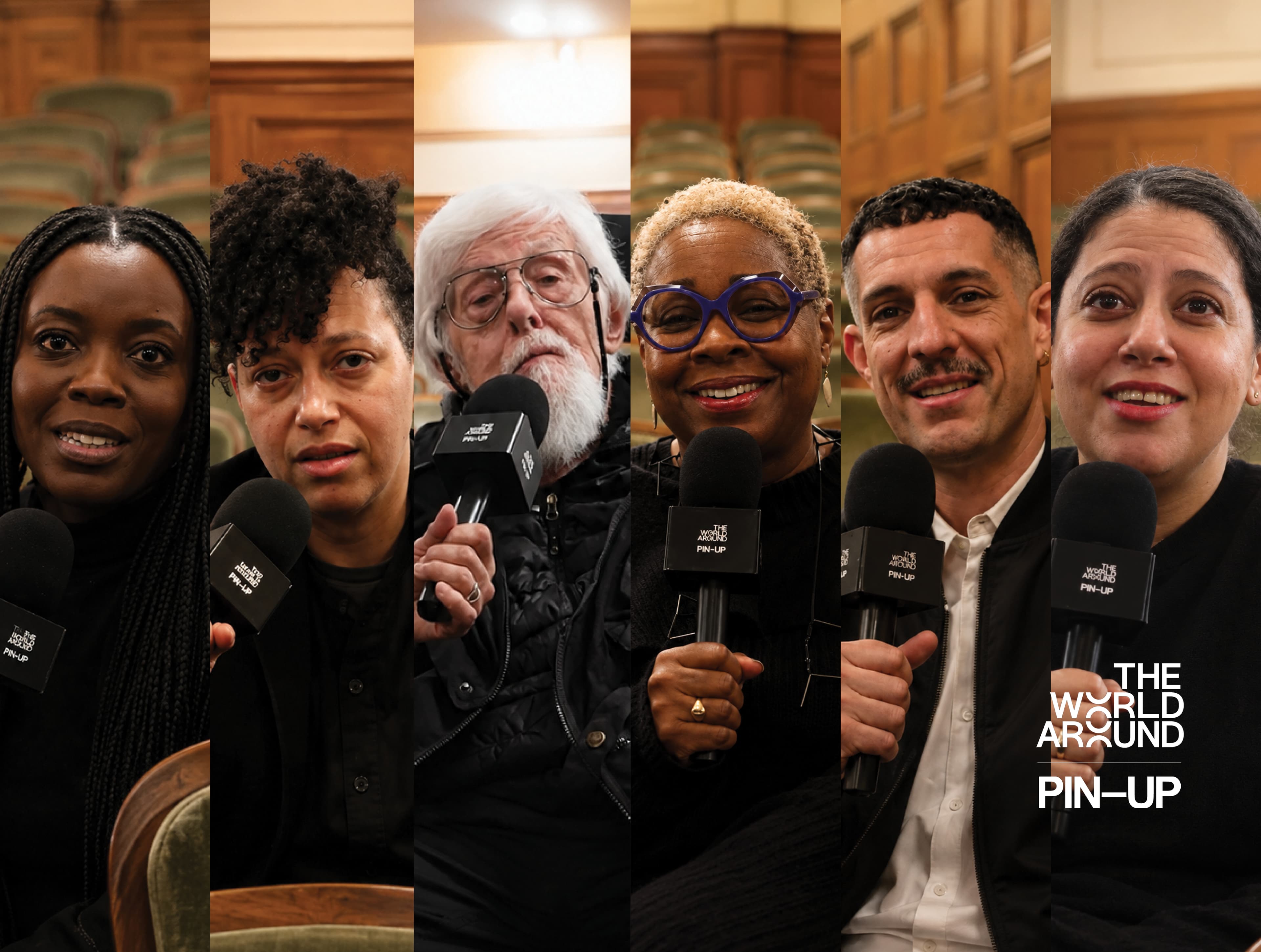
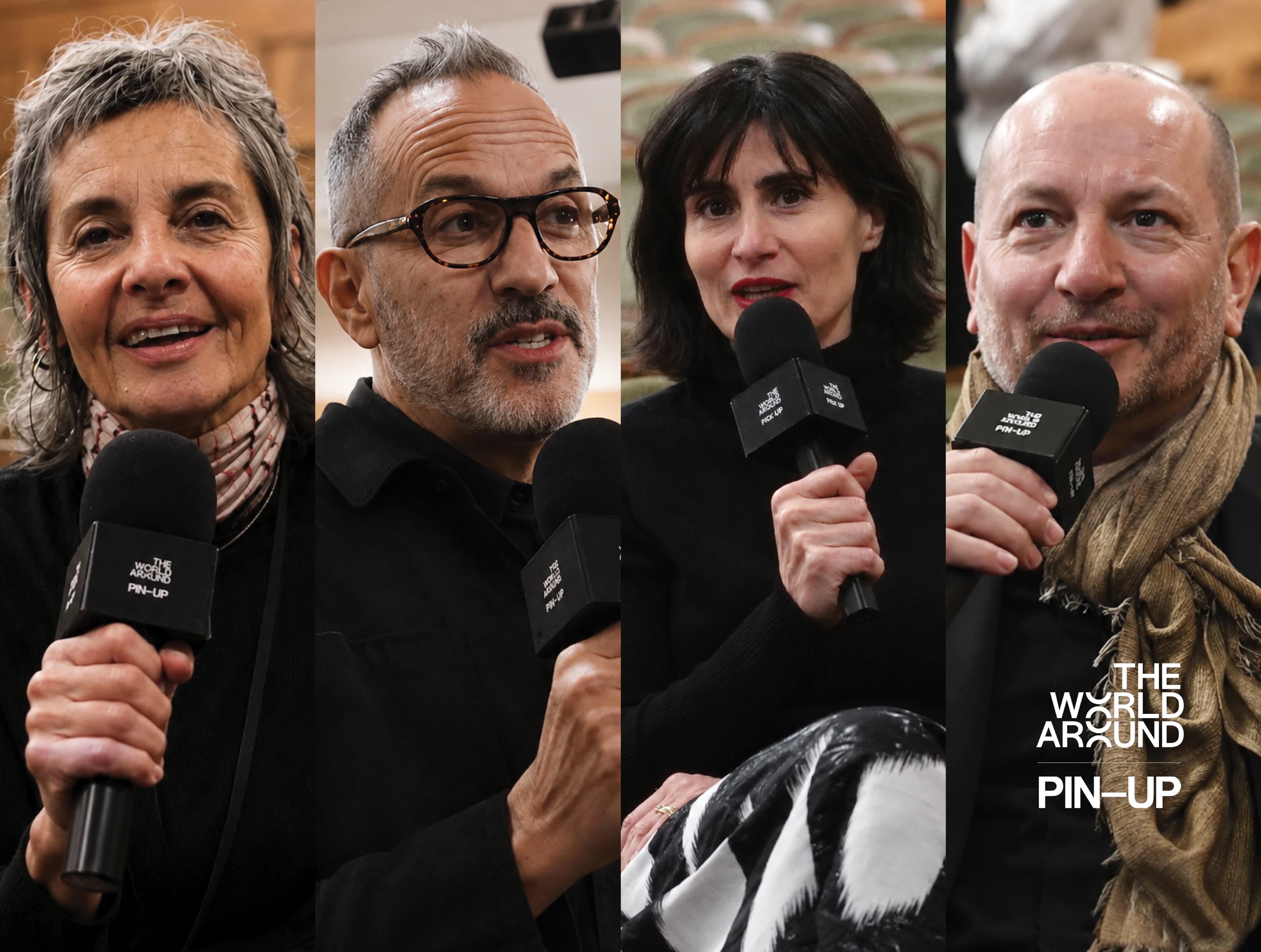
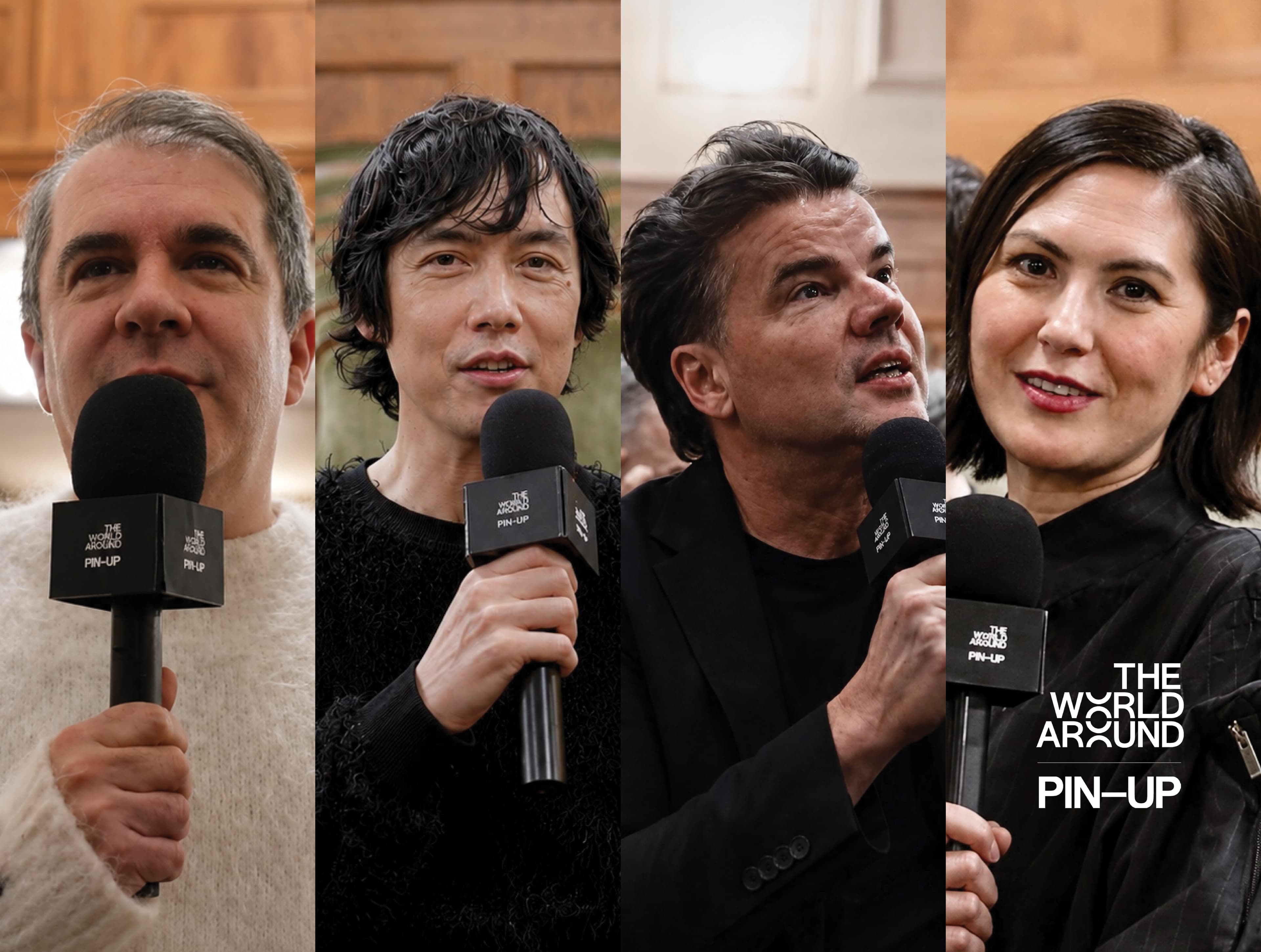
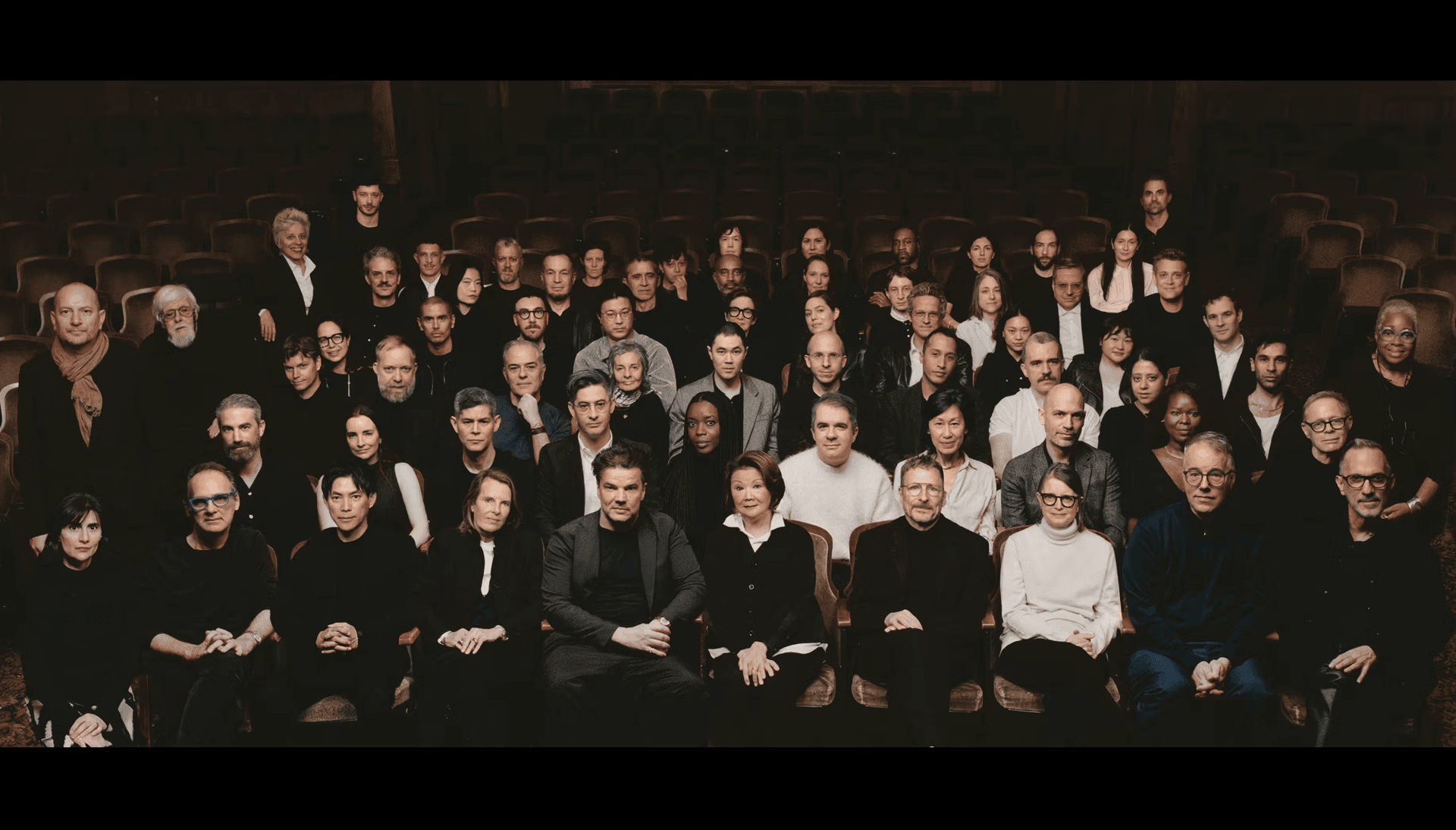
During the cover shoot for PIN–UP magazine’s 40th edition earlier this year, when New York City’s top architects were gathered in one room, we seized the opportunity to ask this group what they would share with the city’s new, progressive administration. The World Around believes that the people who think hardest about how we build our cities should be in direct conversation with the people who govern them. So together with PIN–UP, we’ve created a series titled Dear Mayor Mamdani in an attempt to bridge that gap; to bring the expertise, experience, and imagination of architects into the room where decisions are made. The responses we received covered a sweeping range of topics, across housing, nature, culture, politics, and the ground beneath our feet. We’ve summarized some of the standout points below, which would not only benefit New York, but could improve cities everywhere. This is one of five Insights on the key ideas that emerged during the conversations. The City is Our Living Room discusses the idea that our parks, libraries, and streets holding this city together are not amenities; they are the infrastructure of belonging.
“It will always be New York or Nowhere.” This is true for many New Yorkers, but this doesn’t address the many issues facing the country’s largest metropolis, and its inhabitants. Rising rents, gentrified neighborhoods, shrinking parks, underfunded libraries, and terrible waste-management systems are just the tip of the iceberg. Mayor Mamdani put it plainly in his speech at the Knicks parade this summer: “What is New York if not your back up against the wall, a dream that feels just out of reach, a rent payment you don't know how you will ever make." Those who choose New York against all reasonable logic do so because of what the city gives back. "The city is our living room,” said Pernilla Ohrstedt. “Especially when you have a family with young kids, you rely on the city for everything that your home maybe cannot offer. It's important to preserve the green spaces, the public spaces, as they are an extension of where we live. It's not an either-or. You can have housing and public space, and you need both to make this city livable." She pushed back against a false choice that has shaped New York planning for decades: the idea that density and open space are in competition, and that every park is a unit that wasn't built. It is a logic that has cost the city enormously, Ohrstedt said.
“It's important to preserve the green spaces, the public spaces, as they are an extension of where we live.”
Amina Blacksher thinks the city isn't even using what it has. Rooftops, the tops of lower-rise buildings, the street front, the entire building section is potential public space that New York has largely left unclaimed. Almost as if the architecture exists, but it just hasn't been made available. “New York could arguably spend more on its exterior. I think about rooftops as public space: taking over the tops of low-rise buildings, appropriating different levels across a building's section."
Susan Wines has watched what happens when availability erodes. Born and raised in New York, she has witnessed dramatic change in all corners of the city. "Every neighborhood I have lived in has become practically unrecognizable and has lost so many of the wonderful qualities it had, where you could really see evidence of all the people contributing their creative ideas, their innovations, their making of things, their incredible production,” she said “It would be great to see the impact of the people of the city on the city more often." Wines noted that the city is losing the visible evidence of the marks that ordinary people have left on it. This is not just aesthetic but a concerning phase of the city forgetting who it belongs to.
“It would be great to see the impact of the people of the city on the city more often.”
Mimi Hoang was the most specific about what abandonment looks like. "I think every day and all day about immigration,” she said. “I would love to see the creation of more third spaces where immigrants can feel safe. The first thing that comes to mind is our public library system, which has been chronically defunded. Immigrants use libraries because they don't trust the government to help them with taxes, with their immigration papers, and everything in between. I would love to see you fund libraries and other truly public third spaces where people can gather and support each other," Hoang posed to Mayor Mamdani.
These architects weren't dreaming or proposing the unachievable. They were asking for specific things: green space protected, rooftops opened, streets given back, libraries funded, neighborhoods allowed to stay legible to the people who live in them. Mayor Mamdani described New York as the city with your back against the wall. These architects responded by saying what makes that wall bearable. Public space is not decoration. It is how this city holds itself together.