DEAR MAYOR MAMDANI: “DO NOT LEAVE HOUSING IN THE HANDS OF DEVELOPERS”
In a new series of bite-sized interviews by The World Around and PIN–UP Magazine, New York-based architects share their thoughts on how new Mayor Zohran Mamdani can improve their city—and how they can help, too.
By Sunena Maju
.png%3F2026-08-03T20%3A01%3A02.011Z&w=3840&q=85)
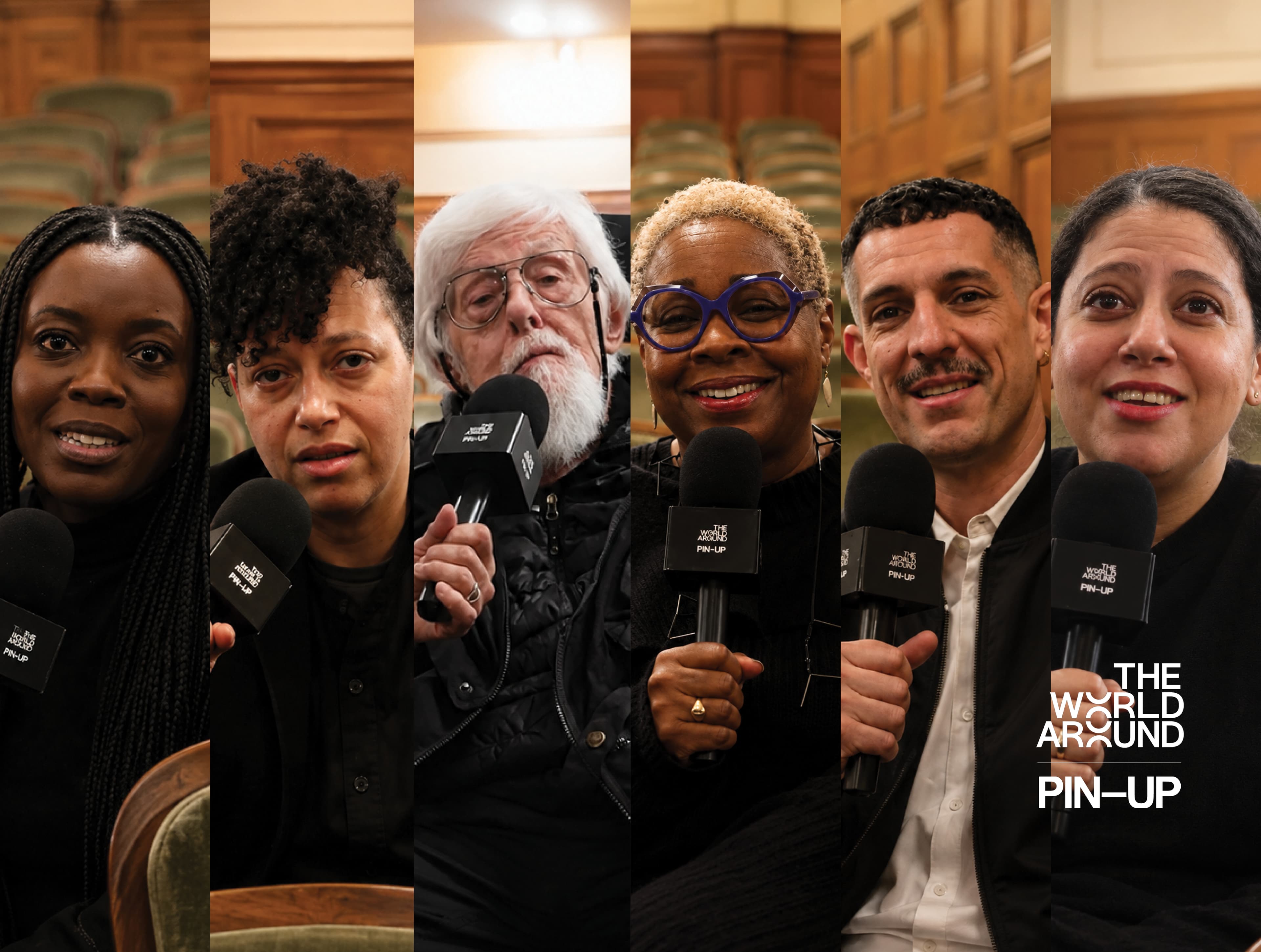
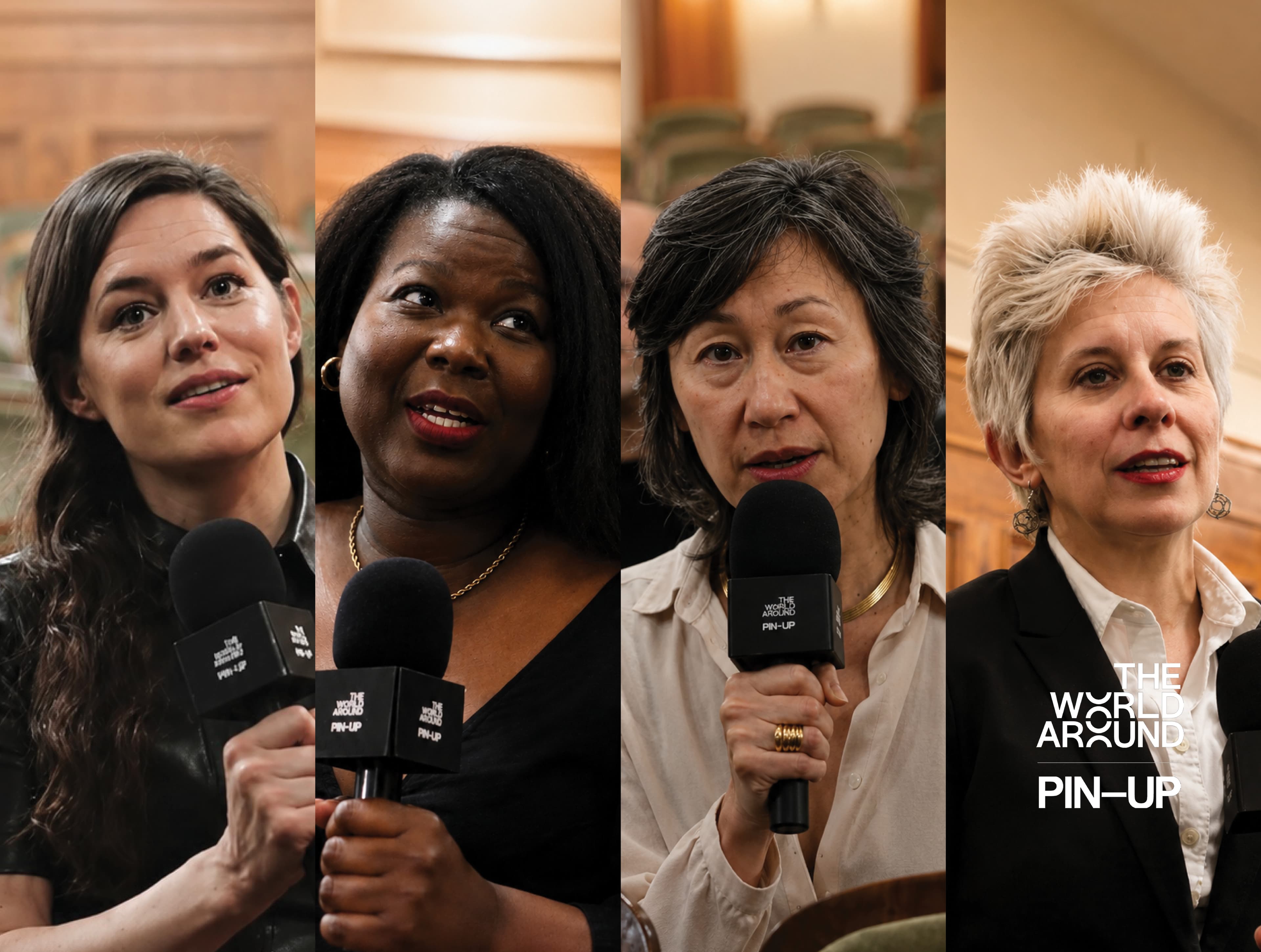
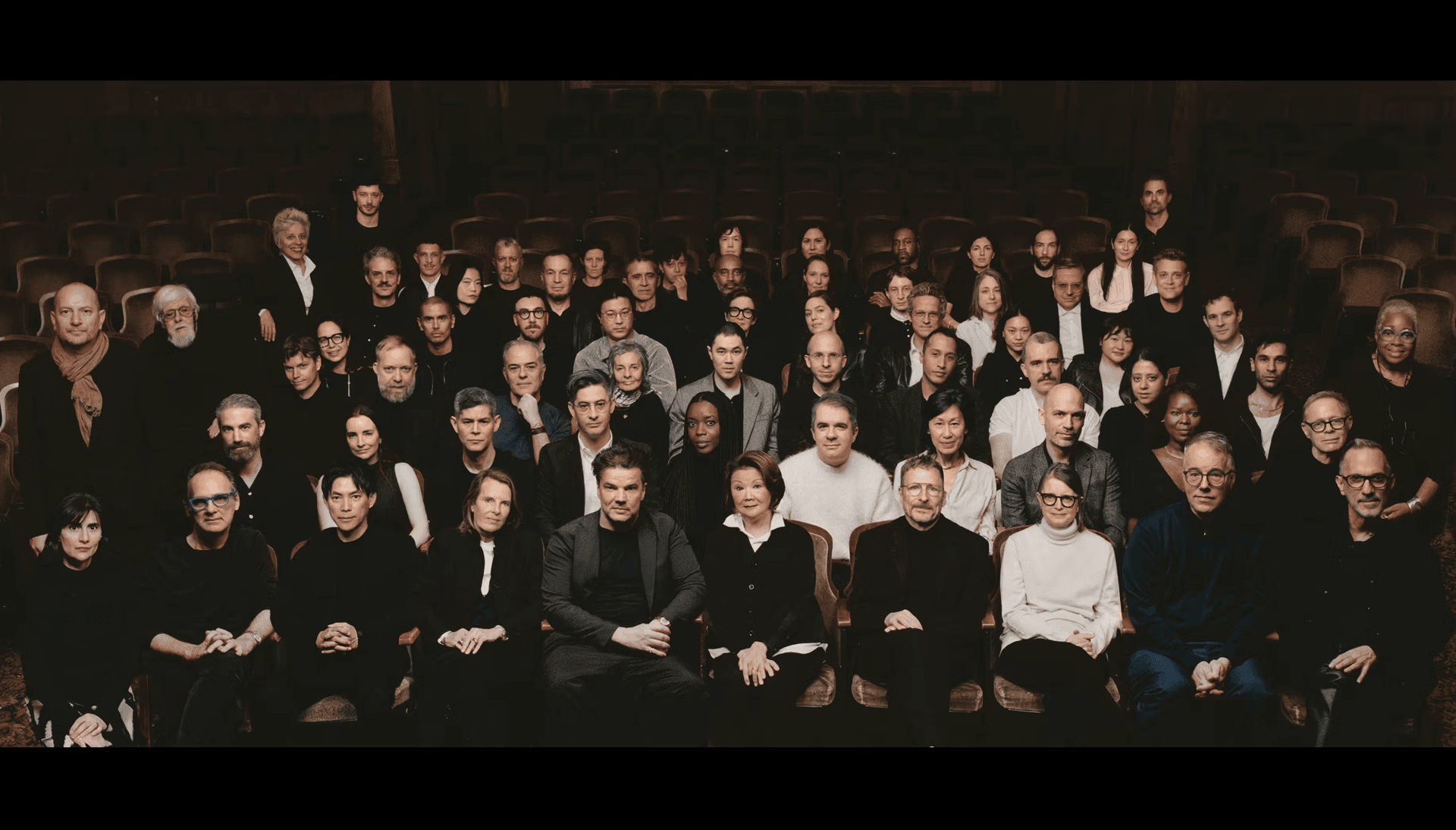
During the cover shoot for PIN–UP magazine’s 40th edition earlier this year, when New York City’s top architects were gathered in one room, we seized the opportunity to ask this group what they would share with the city’s new, progressive administration. The World Around believes that the people who think hardest about how we build our cities should be in direct conversation with the people who govern them. So together with PIN–UP, we’ve created a series titled Dear Mayor Mamdani in an attempt to bridge that gap; to bring the expertise, experience, and imagination of architects into the room where decisions are made. The responses we received covered a sweeping range of topics, across housing, nature, culture, politics, and the ground beneath our feet. We’ve summarized some of the standout points below, which would not only benefit New York, but could improve cities everywhere. This is one of five key ideas that emerged during the conversations, exploring the city’s historic struggle with housing and the hopeful narrative Mamdani’s campaign put forth.
New York City's housing history is essentially a 175-year argument between profit and people—and Mamdani is the latest, most forceful voice on one side of it. Since the mid-19th century, the city has oscillated between moments of genuine reform and cycles of abandonment: the tenement crisis that packed half a million people per square mile onto the Lower East Side was followed by the 1901 new law reforms. Then came the New Deal ambition of public housing, which was eventually defunded and architecturally brutalized into the tower-in-the-park disasters of the 1960s and '70s, which were themselves abandoned by the fiscal crisis of 1975.
What Mamdani is doing with "Block by Block"—the rent freeze covering a million stabilized apartments, the community land trusts, the revival of NYCHA as a public developer, the "Our Home" co-op program—is not inventing new tools but reaching back to suppressed historical models: A.T. White's philanthropic perimeter housing in Cobble Hill, the Sunnyside Gardens cooperative experiment, the original New Deal vision of public housing before it became policy shorthand for neglect. The ideological coherence is real, but so is the unanswered design question: Mamdani's plan tells us who should own and fund housing, not what it should look like, who should design it, or with what spatial values. The New York architects gathered for the PIN-UP 40 shoot had a warning: political will is not enough if the people who understand space are not in the room.
Ada Tolla of LOT-EK said it plainly: "Do not leave [housing] in the hands of developers. The system right now is not right, not just. I really hope the city takes a completely different stance, a completely different responsibility on that." She is not alone in that view. At The World Around Summit 2026 at MoMA, Deputy Mayor for Housing and Planning Leila Bozorg was candid about how the city has been getting in its own way. "We have set up almost Kafka-esque systems to get through when we want to build more housing," Borzog said. "These processes result in the types of housing people hate most, because it costs so much to get through them."
Adam Rolston of INC Architecture & Design knows where to start building new, much-needed housing. "There are four square miles, almost a fifth of Manhattan, of empty, city-owned land,” he said. “That's not including the controversial reuse of underutilized golf courses, which [Mayor Mamdani] could and should be building on. Some of the hurdles need to be removed and those hurdles are regulatory. He can fix that. Almost 300,000 units could be built on land that's already available in the city, tax free."
“It has been decades since architecture genuinely served the larger public.”
That number reframes the entire conversation. New York's housing crisis is severe and real, but it is not simply a shortage of land. Florian Idenburg of SO-IL shed light on the other half of the problem. "There are a lot of questions around housing,” he said. “We need a lot of new homes, but we also need to think about what kind of homes we need. And interestingly, in the Commission for Housing, there is not a single architect on the committee. My recommendation is to bring in more designers early on, because a lot of these problems are spatial and spatial problems need designers in the room."
Housing policy is being written without the people who understand how space works, how density feels, how a building either serves its residents or quietly fails them at the level of the corridor, the courtyard, the window. As architect Tatiana Bilbao observed at the Summit 2026 Housing panel: "We think of these processes as a means to produce the building. But housing has to hold lives and evolve with them; it exists in much longer terms."
Amale Andraos, co-founder of WORKac and professor at Columbia GSAPP, put the stakes simply: “It has been decades since architecture genuinely served the larger public.” The inclusive, affordable, progressive vision that Mamdani is reaching for is exactly what the discipline exists to help create. The question is whether architects will be invited to help build it.
The architects of New York City are asking for a seat at the table early enough in the process for their expertise to be useful, rather than merely executing the grand plans of others who may not understand the city’s housing needs as well as they do.