“Designers are expanding our capacity to bring about transformation”
During In Focus: Transformation, The World Around’s first program in LA, speakers captured the changing world through a sharp lens.
Watch the Event Replay
In Focus: Transformation Replay

Landscape architect Kotchakorn Voraakhom presenting her critical green infrastructure and climate-adaptive public spaces in Bangkok. Photo: Sarah M. Golonka
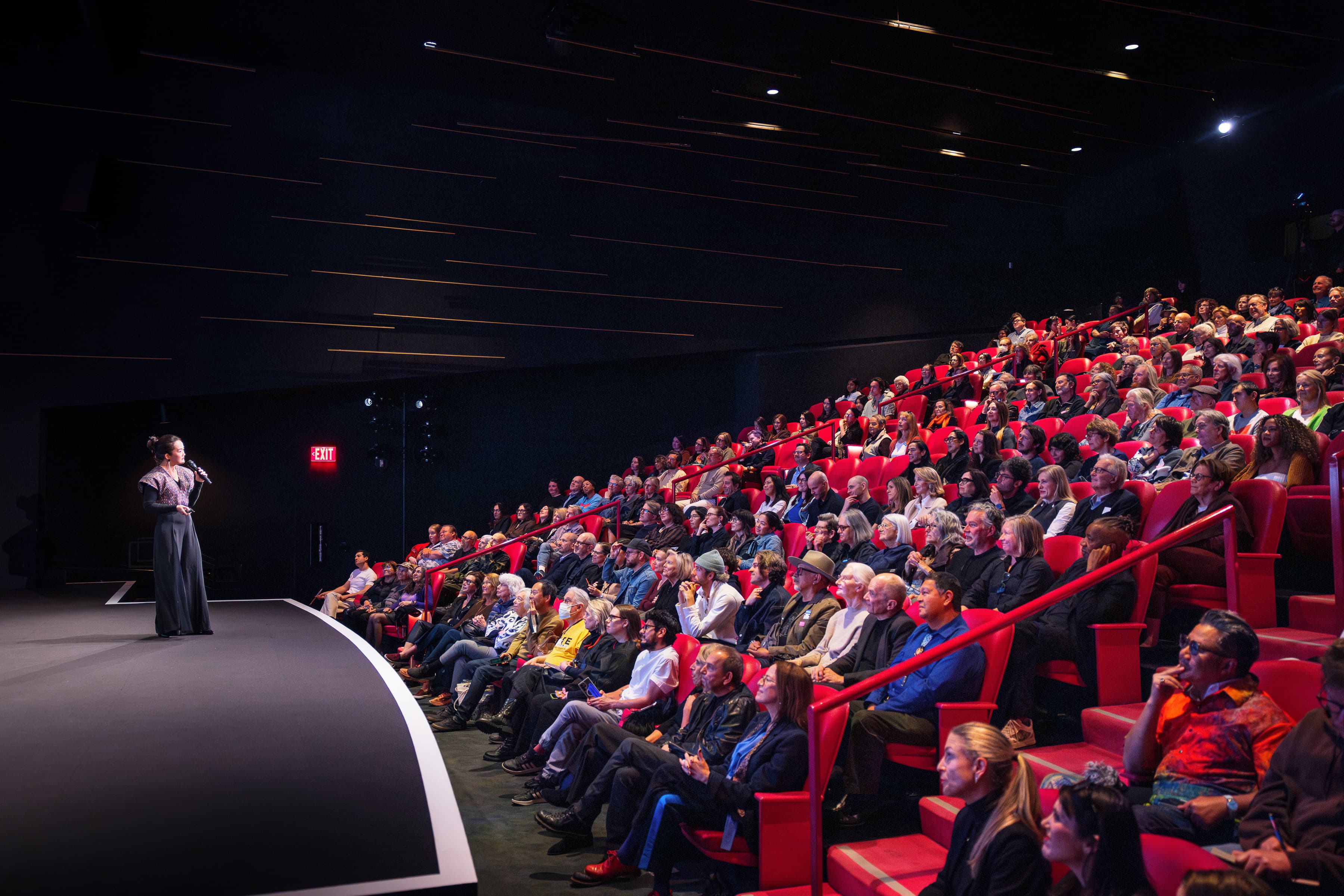
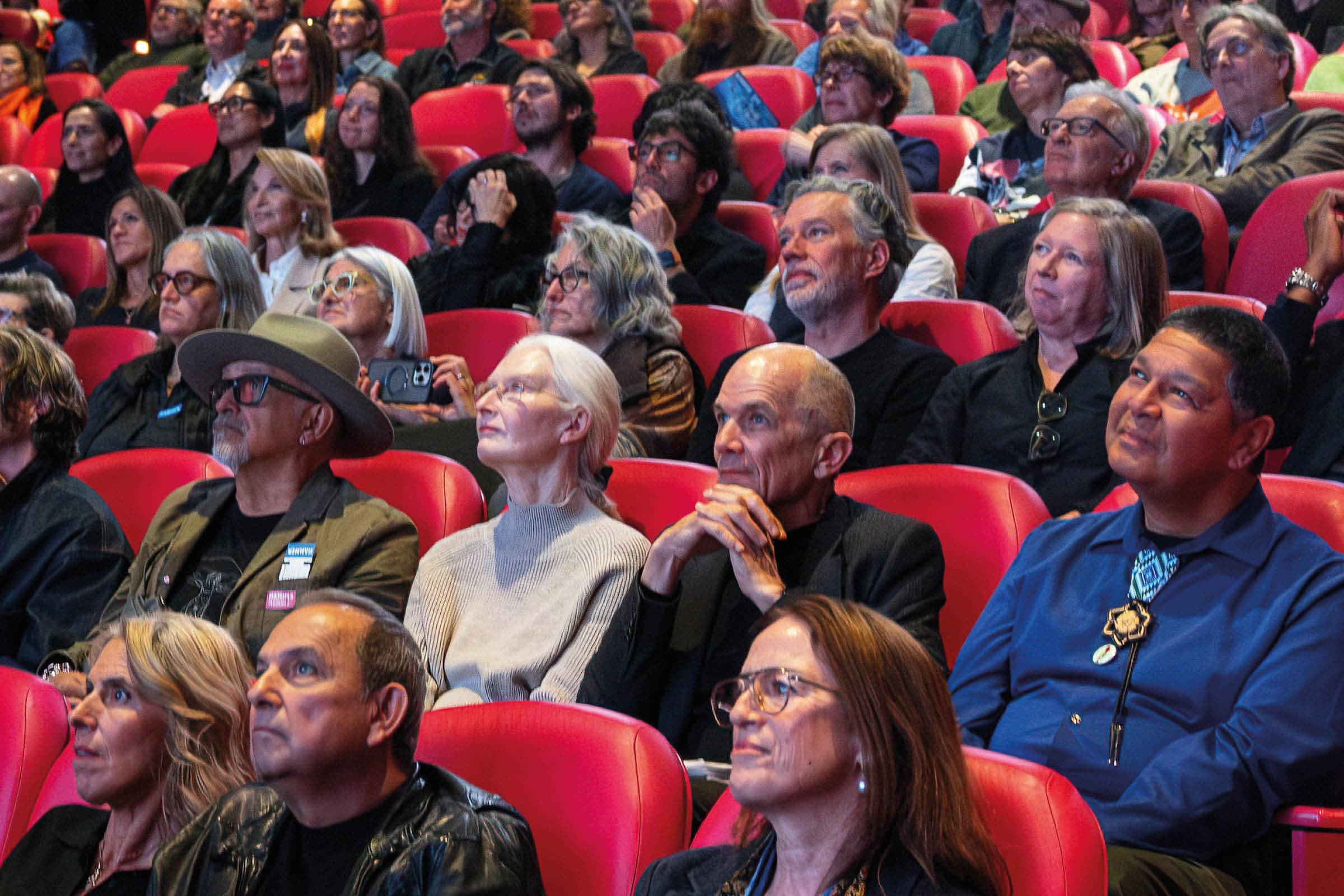
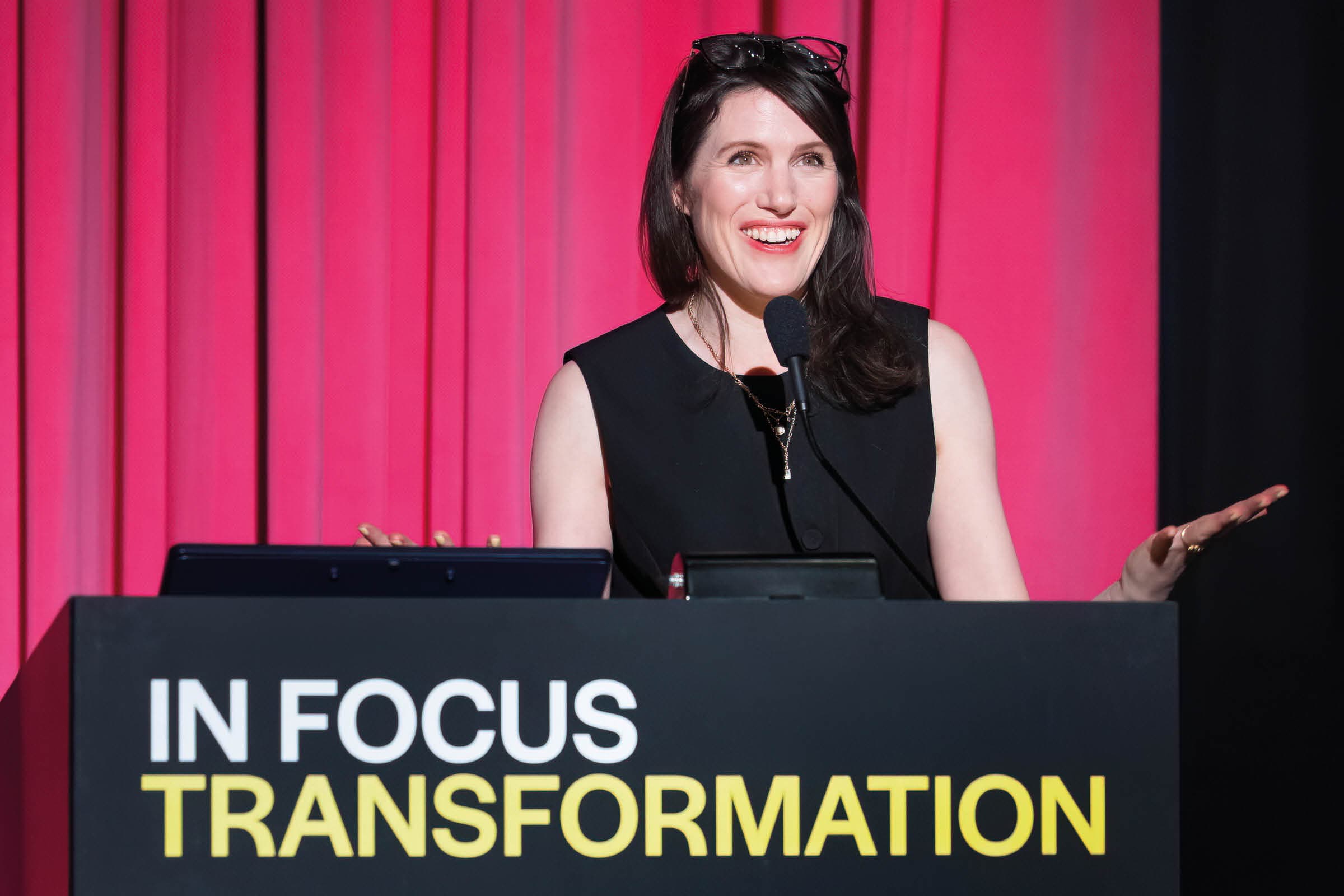
On Saturday February 21, 2026, The World Around and the Fondation Cartier pour l’art contemporain debuted in Los Angeles with In Focus: Transformation, a program of talks hosted at the Hammer Museum. Co-curated by Beatrice Galilee and Béatrice Grenier, the day offered a global overview of how a broad range of cultural disciplines are meeting the challenges of a moment characterized by change. As Galilee emphasized in her introduction: “Architects and designers aren’t working with blank canvases. They’re operating within dynamic systems in a constant state of motion.”
From climate change to biodiversity loss; the energy transition to the rising tide of artificial intelligence; rapid urbanization to profound demographic changes, the world is undergoing transformation at an overwhelming scale and pace. But throughout the day, design emerged as a powerful mode of response: a critical tool with which to claim agency in the face of compounding uncertainty. And each of the program’s speakers presented a unique approach to a specific issue.
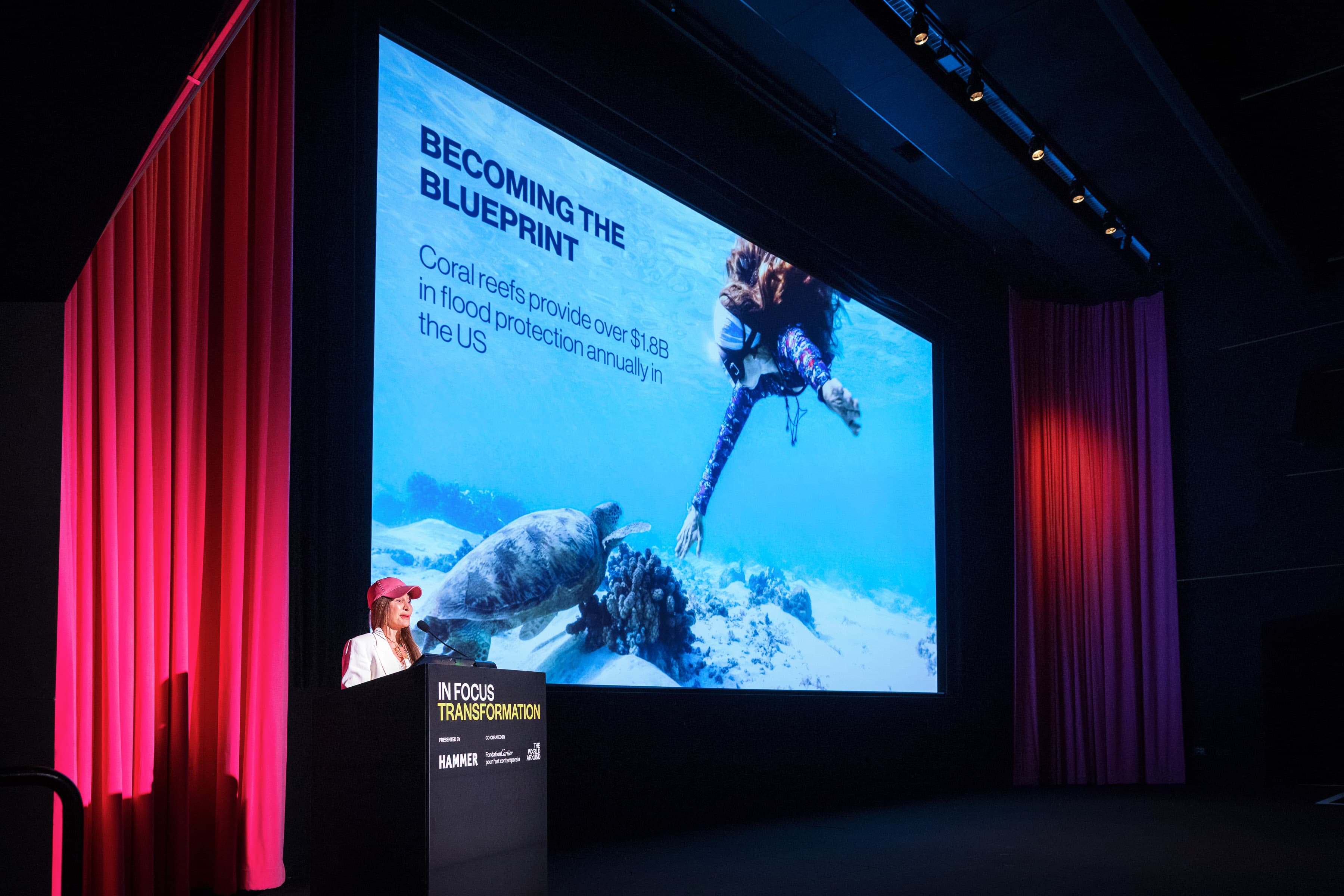
In Bangkok, one of the world’s most flood-prone cities, Thai landscape architect Kotchakorn Voraakhom is using plants as infrastructure to provide resilience against the impacts of global warming, with projects including Asia’s largest urban rooftop farm and the Thai capital’s first major public park in three decades. Meanwhile in Miami, cultural entrepreneur Ximena Caminos is overseeing the development of the Reefline: a first-of-its-kind underwater sculpture park spanning seven miles off the coast of Miami Beach that combines art, science, and education to raise awareness of the importance of coastal ecosystems. Alice Bucknell brought the audience into the immersive worlds of their recent video games, framing these virtual environments as testing grounds to expand the realm of what’s considered possible. “Games can offer a clearing to experiment with alternatives not just for the future, but for the times we are living through,” they said.
But, as Julia Watson reminded the audience, innovation isn’t new to society: humans have been developing technologies in response to changes in their environments since civilization began. Offering lessons from the Indigenous communities across the world, Watson presented a case for ancestral water management systems as sophisticated models for adapting to a warming planet. Al Borde’s David Barragán presented his practice’s collaborations with Indigenous communities in the Ecuadorian Amazon, emphasizing the importance of nurturing what exists within an ecosystem under threat from oil extraction, mining, and deforestation.
The presentations resonated with Plantando Raíces en Lago El Uru Uru (Planting Roots in Lake Uru Uru), the first episode of The World Around’s Young Climate Stories documentary series screened during the program. The short film followed Dayana Blanco Quiroga, a young Aymara Indigenous woman harnessing ancestral knowledge to restore a polluted lake in Oruro, Bolivia. The second episode, A Garden in the Desert brought the audience to the Smara refugee camp in Algeria—one of the driest places on Earth—where farmer and artist Mohamed Salem Mohamed Ali confronts widespread food insecurity in the Sahrawi community with a water-efficient garden. Both of these inspiring innovators were winners of our Young Climate Prize.
Elsewhere, other architects and designers are responding to global challenges through local responses, absorbing the impacts of transformation to support communities. Drawing on their projects in the San Diego-Tijuana region, Teddy Cruz and Fonna Forman illustrated the compounding effects of climate change and conflict on global migration and elaborated on their work providing essential social infrastructures for vulnerable border communities.

Zoë Ryan, director of the Hammer Museum, in conversation with Michael Madrigal, president of the Native American Land Conservancy; and Los Angeles architects Michael Maltzan and Sharon Johnston. Photo: Sarah M. Golonka
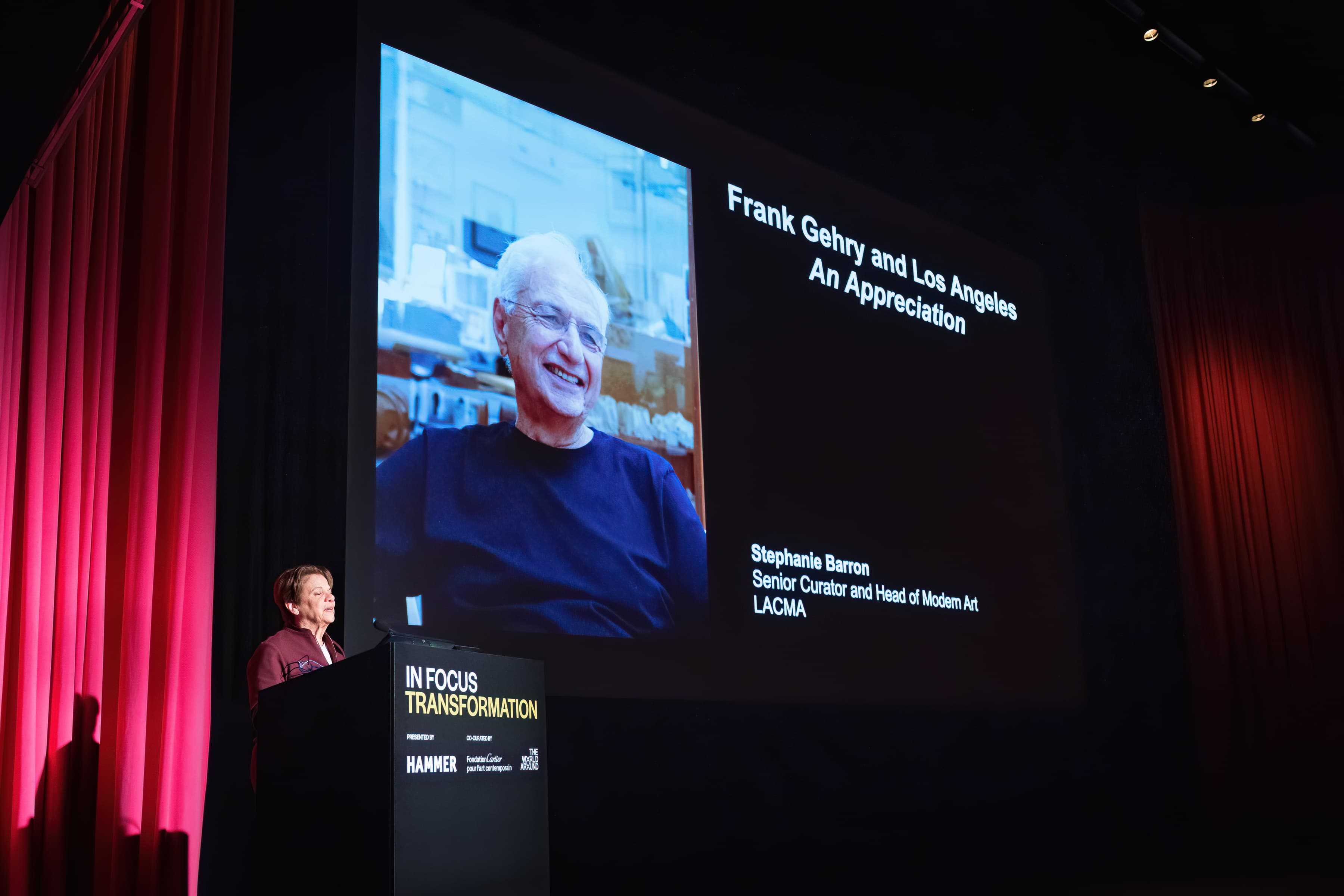
A year on from the fierce wildfires that devastated communities across Los Angeles, the program included a conversation between Zoë Ryan, director of the Hammer Museum; Michael Madrigal, president of the Native American Land Conservancy; and Los Angeles architects Michael Maltzan and Sharon Johnston. Titled Design in the Pyrocene, the panel explored how architects and designers can collaborate and broaden their practices to adapt to an era in which fire—in the form of both fossil fuel combustion and the more extreme and frequent blazes its warming effects inflame—has become the dominant force changing the Earth’s landscapes. The program later returned to Los Angeles with a tribute to the late architect Frank Gehry from his longtime collaborator and close friend Stephanie Barron, senior curator and head of modern art at the Los Angeles County Museum of Art, which reflected on the Canadian-born American architect’s legacy in the city.
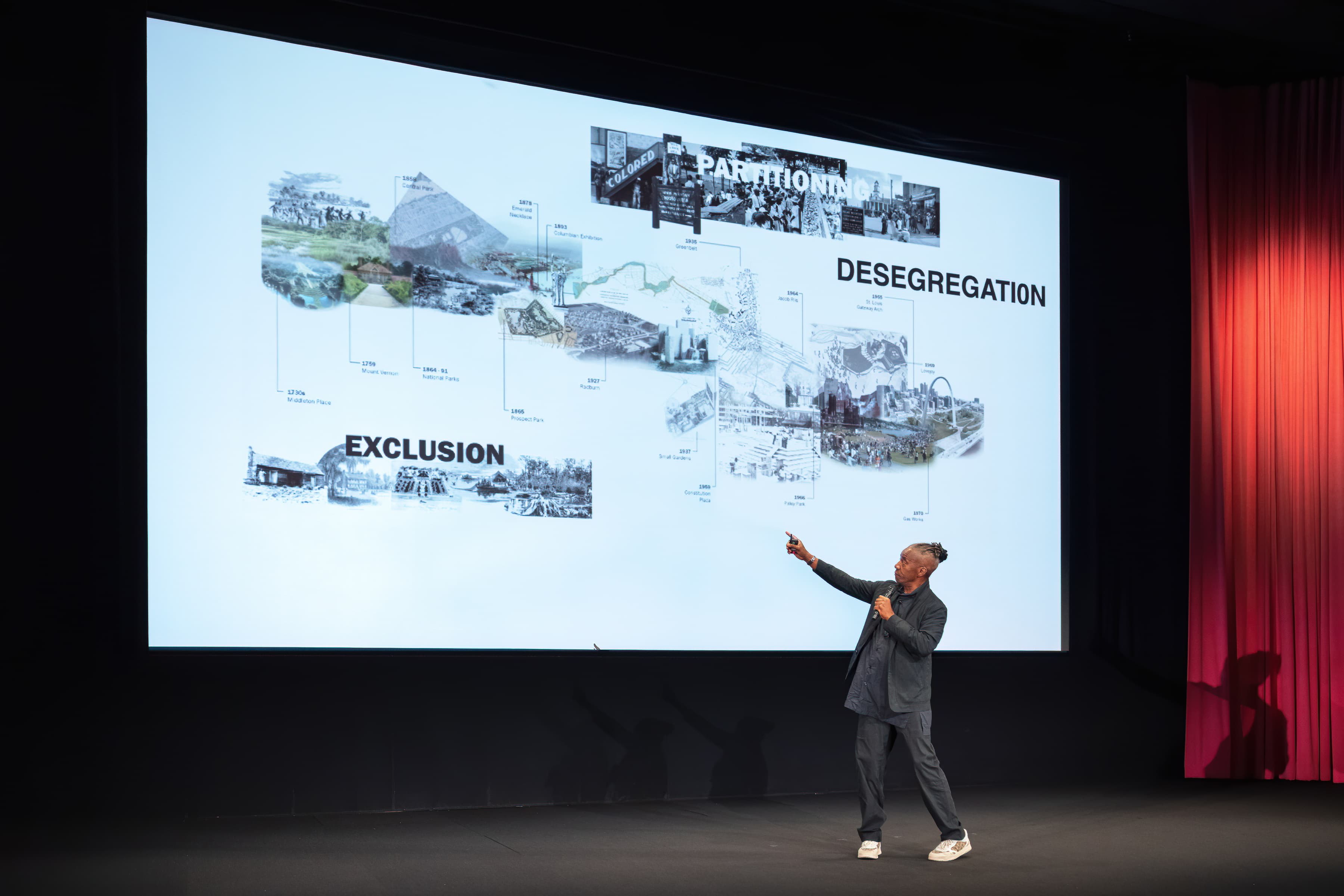
Others pointed to the role design has played in creating environmental injustice. Through a tour of his practice’s recent and ongoing projects in the United States, Walter Hood brought the audience into his research on “underdeveloped urban landscapes”: neighbourhoods of American cities, mostly home to brown and Black people, that have been left to decline by design. “We think about getting people back into these places through narratives,” Hood said. “And this idea of development through arts and culture has been powerful in our storytelling, but also in getting people to put capital back in those places.”
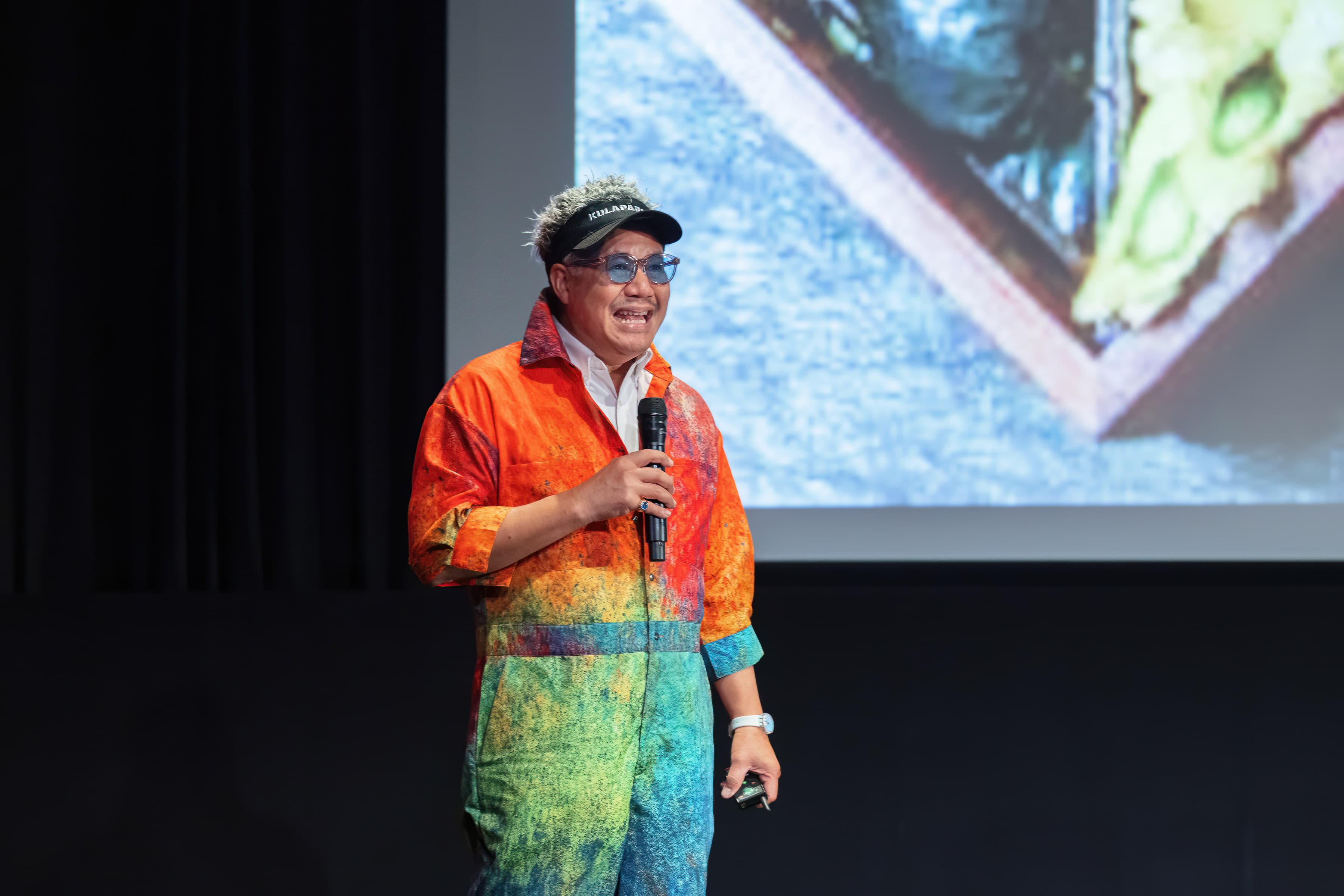
Kulapat Yantrasast, founder and creative director of WHY Architecture, also emphasized the power of art to inspire broader social change, drawing attention to the evolving role of the spaces that house it.
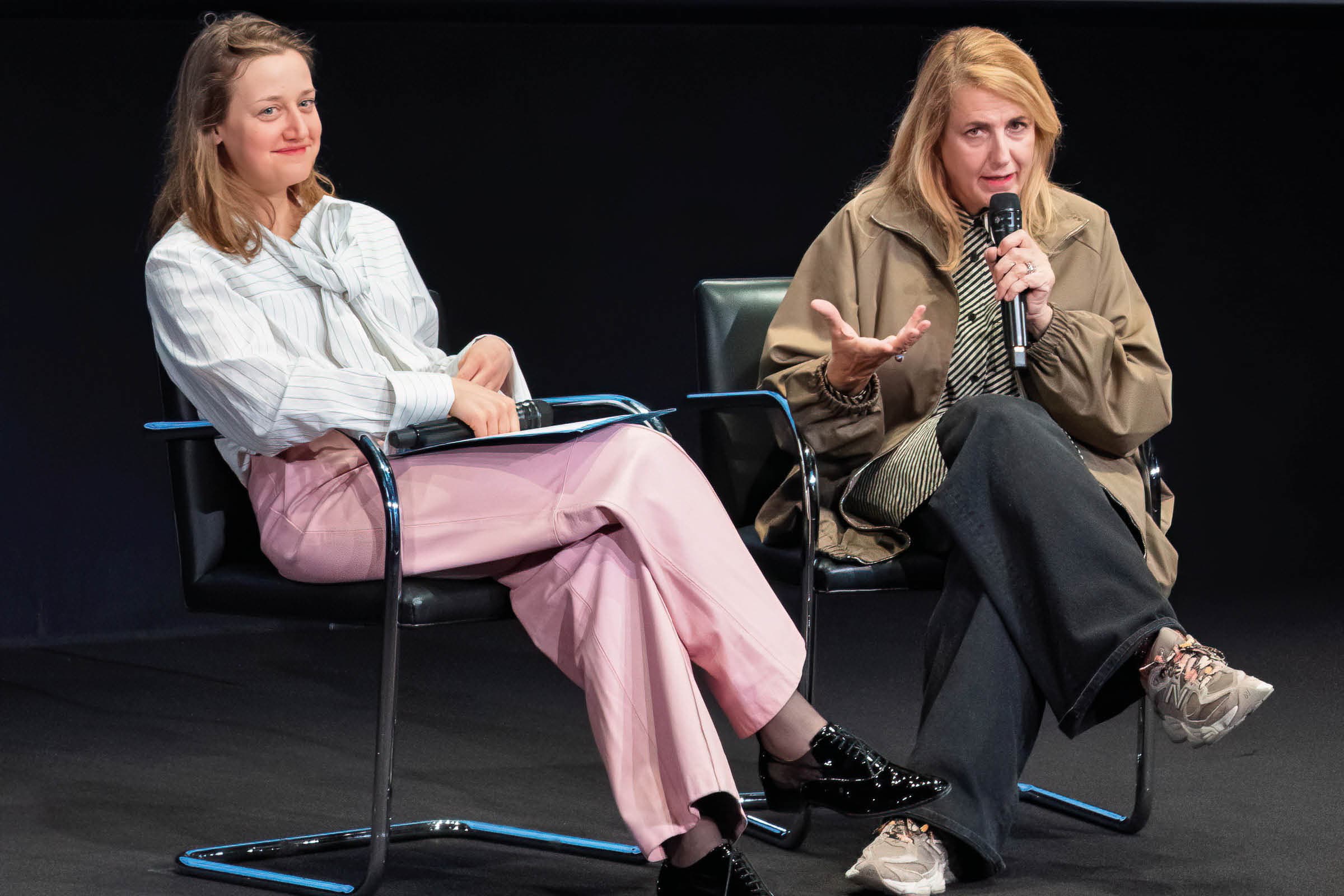
In a wide-ranging conversation on textiles, the impermanence of form, and the role of the designer today, industrial designer Patricia Urquiola and Fondation Cartier’s Béatrice Grenier discussed how change appears as a theme across four of Urquiola’s most recent exhibitions. Concluding the program with her reflections on the present, the renowned designer offered a message of optimism: “I’m inside more and more conversations with different communities. Designers are really expanding our capacity to bring about different forms of transformation.”
In Focus: Transformation was curated by The World Around and the Fondation Cartier pour l’art contemporain, and presented by the Hammer Museum. The World Around is supported by its Partner UniFor. Young Climate Stories is produced by 4Hawk Productions and made possible by The World Around’s Young Climate Prize Design Partner, MillerKnoll.
The full program is now available to watch for free thanks to our valued partners and Circles members.
Photo: Sarah M. Golonka
Beatrice Galilee, founder and executive director of The World Around, introducing the program. Photo: Sarah M. Golonka
Ximena Caminos presenting the Reefline: an underwater sculpture park spanning seven miles off the coast of Miami Beach. Photo: Sarah M. Golonka
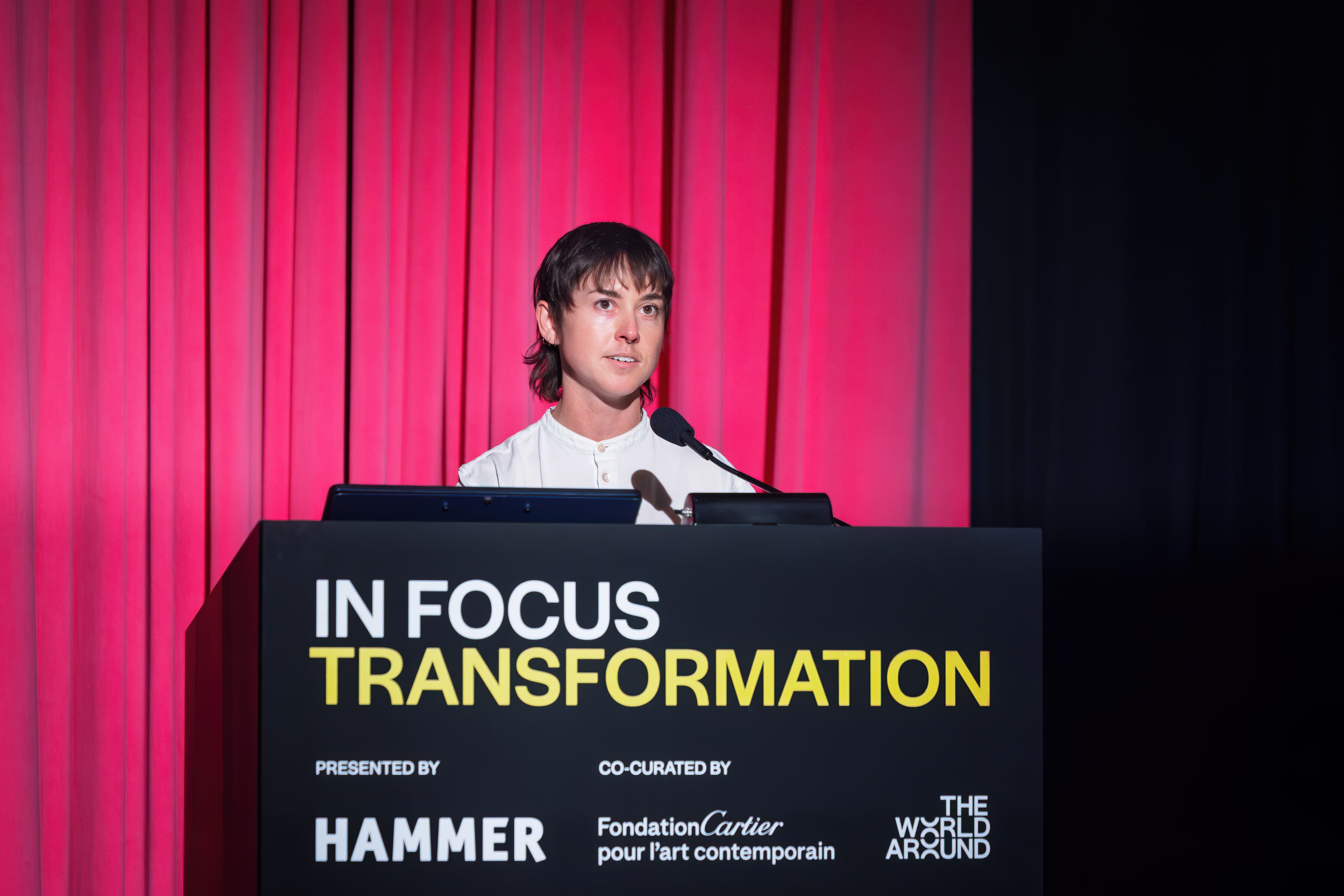
To virtual artist Alice Bucknell, “Video games can offer a clearing to experiment with alternatives not just for the future, but for the times we are living through.” Photo: Sarah M. Golonka
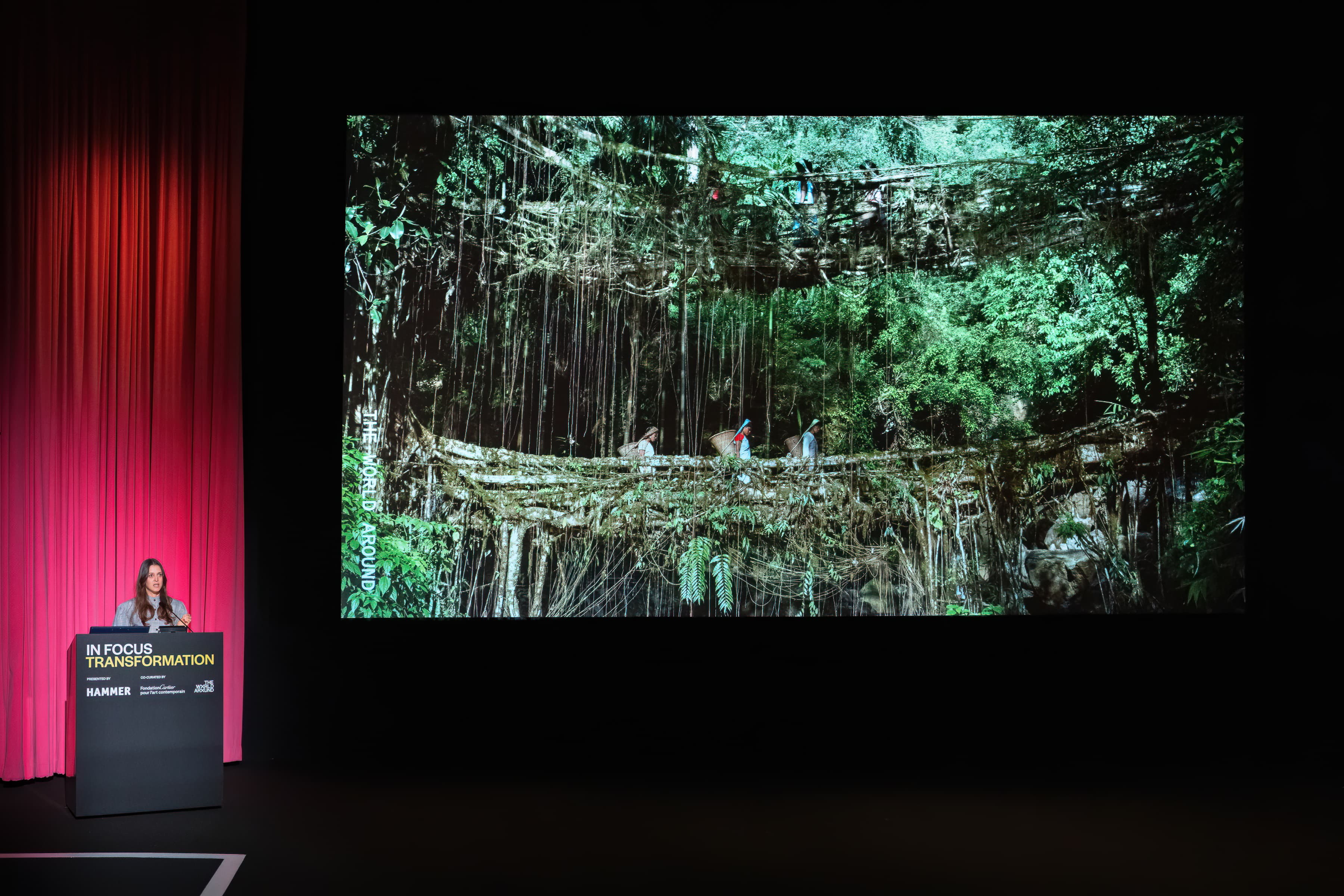
Julia Watson explored the deep wisdom of communities whose forms of development both respond to and support natural water systems, rather than resist them. Photo: Sarah M. Golonka
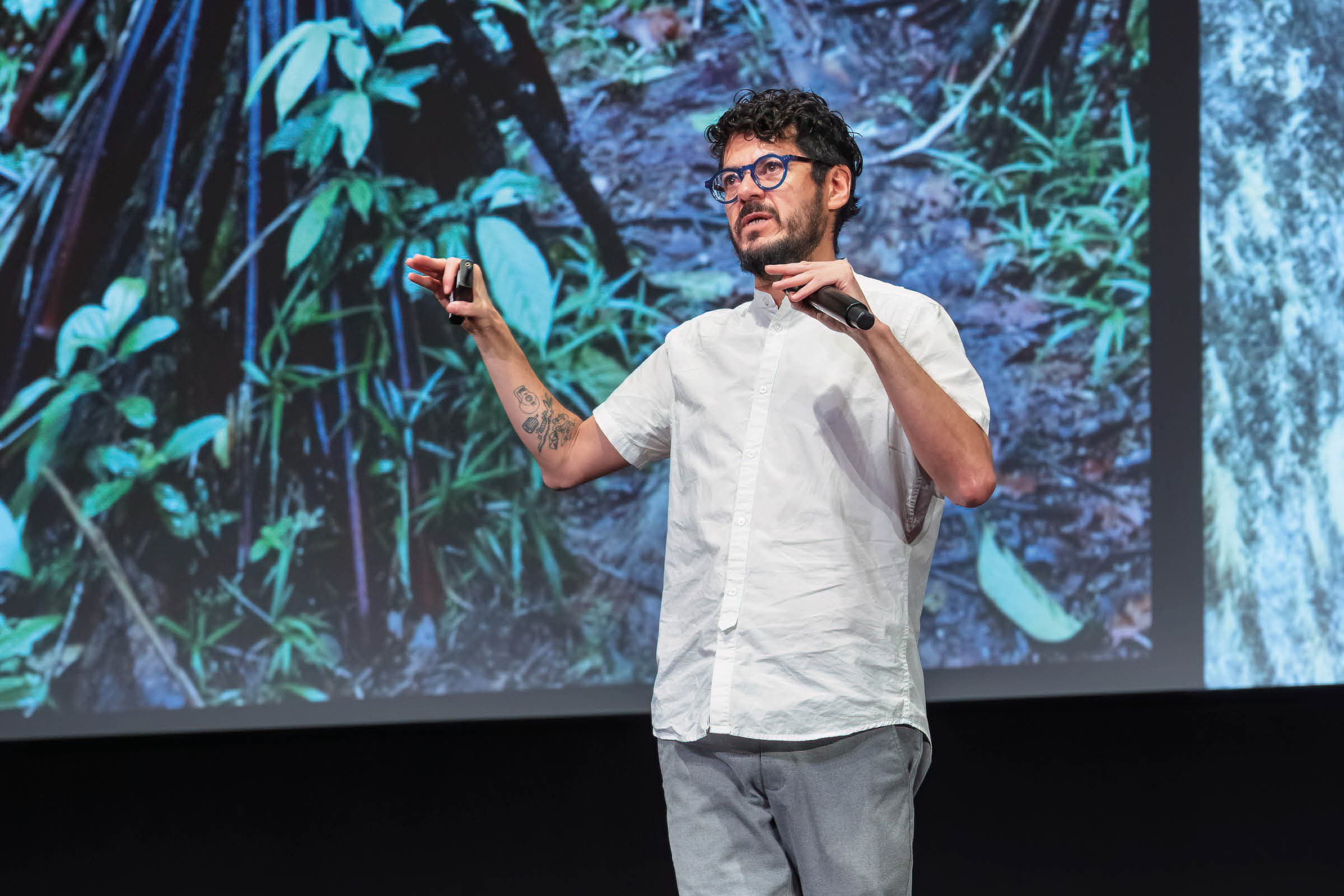
Al Borde’s David Barragán explained how the Ecuadorian architecture practice is collaborating with Indigenous communities in the Amazon to champion an architecture of responsibility and resilience. Photo: Sarah M. Golonka
Fonna Forman and Teddy Cruz discussed how they are collaborating with communities along the San Diego-Tijuana border to build more generous models of urban planning from the ground up. Photo: Sarah M. Golonka
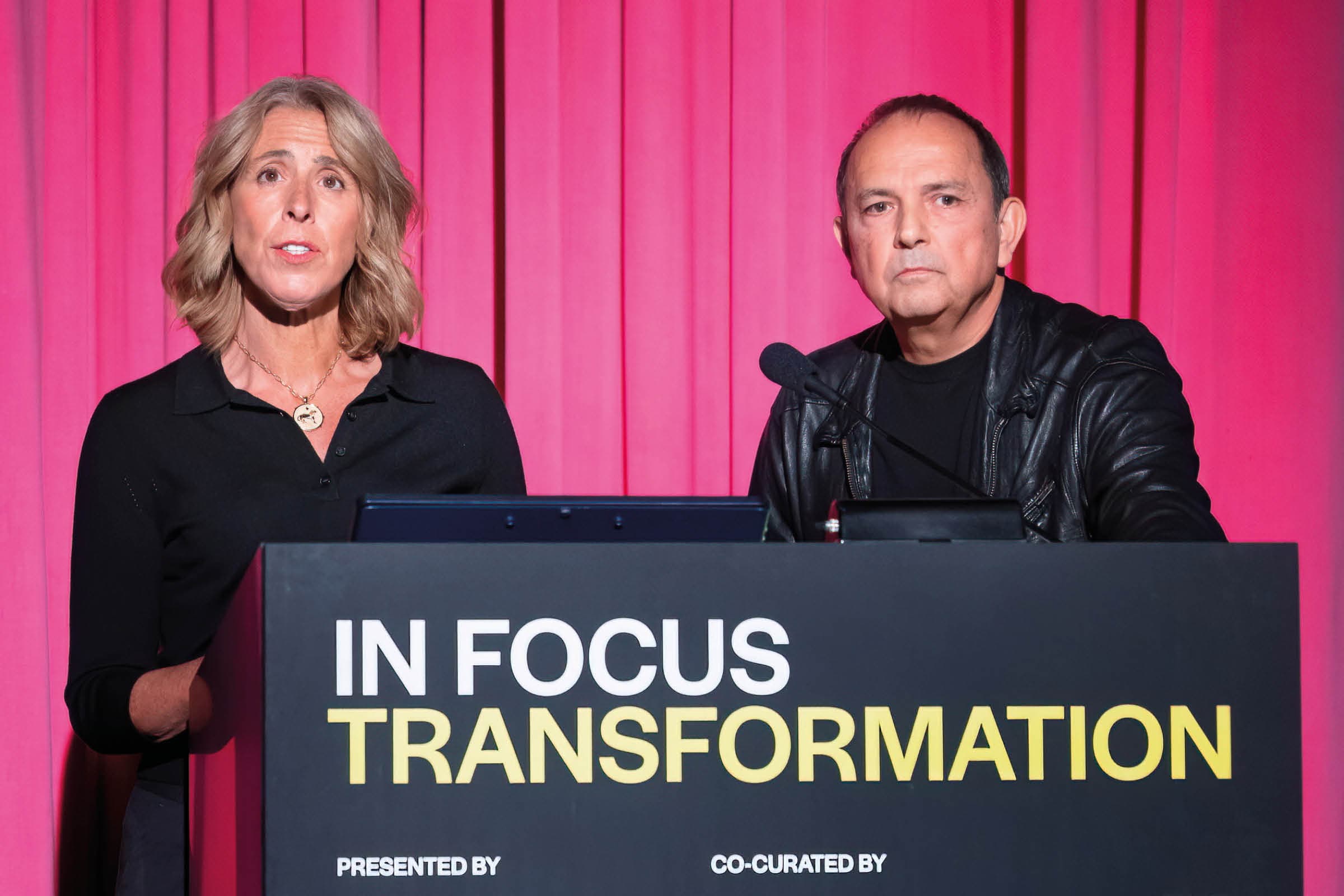
Stephanie Barron, senior curator and head of modern art at the Los Angeles County Museum of Art (LACMA), offered a tribute to the late architect Frank Gehry, whose work in Los Angeles has had far-reaching impact. Photo: Sarah M. Golonka
Drawing on three of his firm’s recent and current landscape projects—including the overhaul of New York City’s Lincoln Center Plaza—Walter Hood spoke to the role of public spaces in repairing and revitalizing the social fabric of American cities. Photo: Sarah M. Golonka
Renowned for rethinking the contemporary art gallery in cities around the United States, architect Kulapat Yantrasast presented the design of his latest cultural landmark in Thailand, Dib Bangkok. Photo: Sarah M. Golonka
In a wide-ranging conversation on textiles, the impermanence of form, and the role of the designer today, Fondation Cartier’s Béatrice Grenier and industrial designer Patricia Urquiola discussed how change appears as a theme across four of Urquiola’s most recent exhibitions. Photo: Sarah M. Golonka