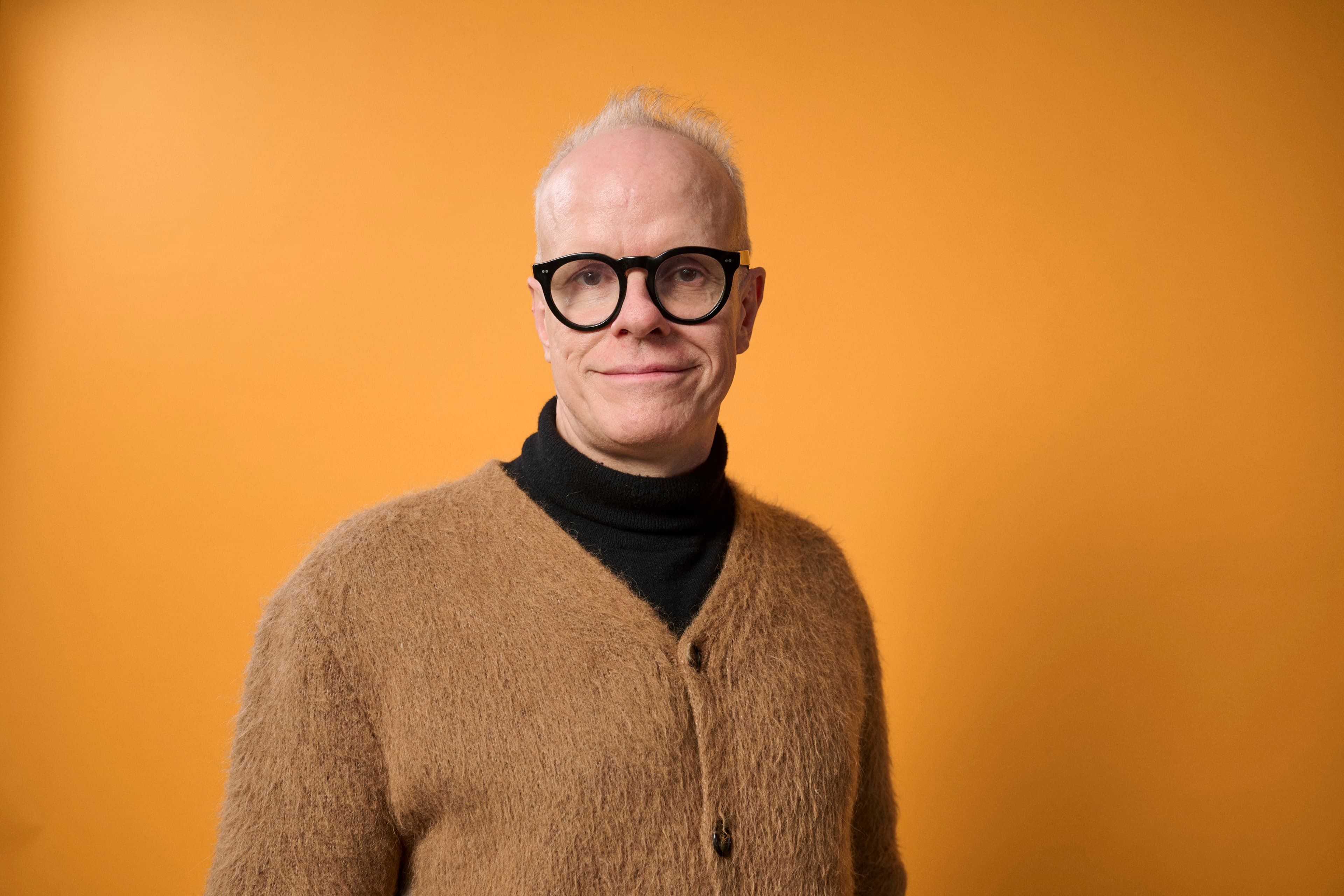
"Most designers don't fully appreciate how powerful they are"
During NYC Climate Week, The World Around convened designers, philanthropists, and young climate leaders for a discussion at Atelier Jolie that explored how mentorship, funding, and the design community can help support the next generation of climate action.
By Sunena Maju
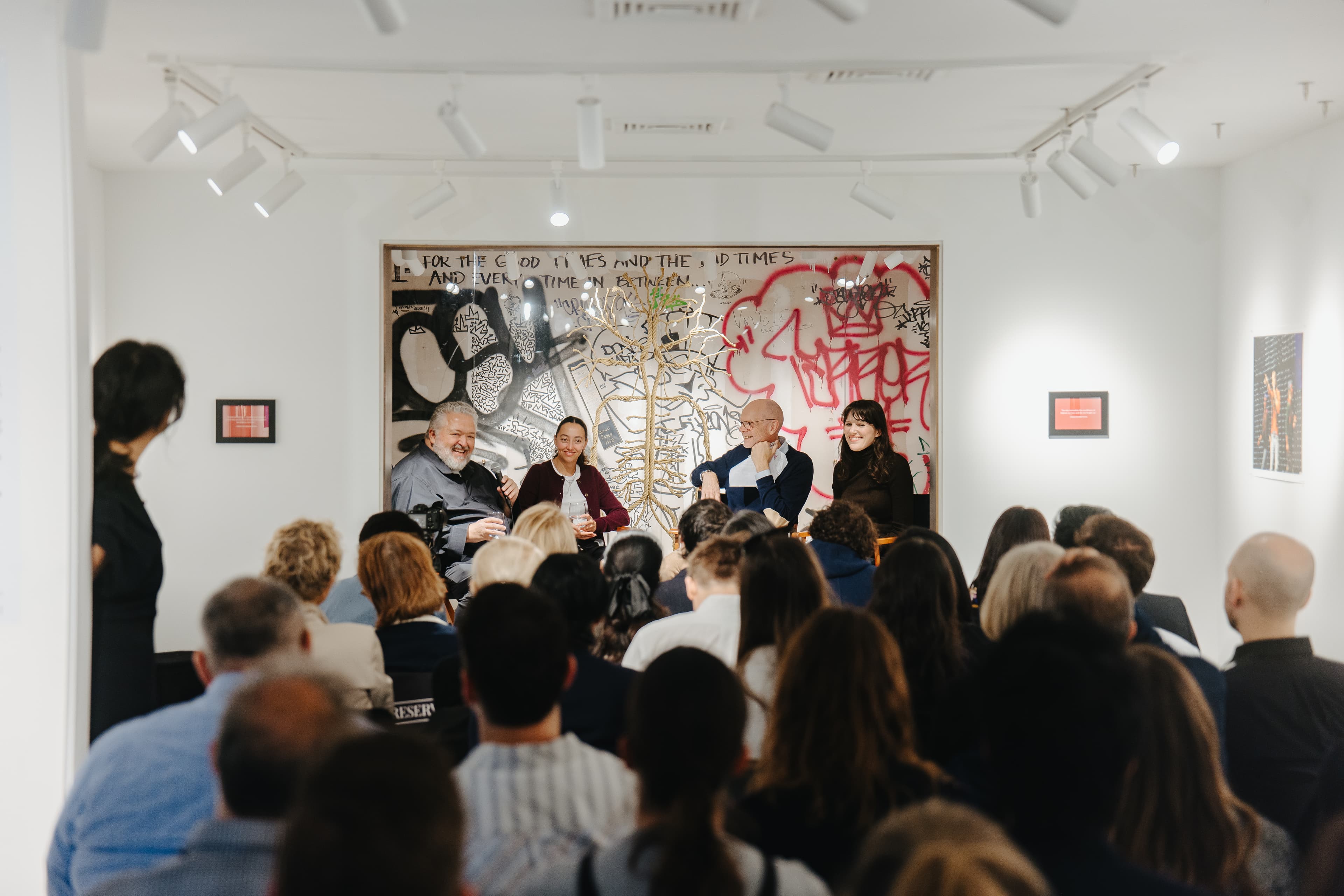
On September 25, 2026, during NYC Climate Week, The World Around, with media partner The Financial Times, hosted a panel at Atelier Jolie titled “Designing Hope: Investing in the Young Climate Generation.” The highly engaging conversation, which had several audience members taking notes, centered on a question that is increasingly urgent for the design world: What does it actually mean to invest in the people building a different future?
Moderated by The World Around’s Beatrice Galilee, the panel brought together designer and educator Bruce Mau, Obel Foundation Executive Director Jesper Eis Eriksen, and Young Climate Prize alum Pamela Elizarrarás Acitores. Moving between mentorship, philanthropy, climate literacy and the responsibilities of designers, the discussion challenged the idea that meaningful support is measured only in money or metrics. Instead, the speakers explored the value of trust, relationships, networks, capacity building, and simply making space for young people to lead. The event brought together designers, climate journalists, philanthropists, and activists of all ages, creating a space to exchange ideas and deepen the conversation around climate, design, and the built environment.
The event was held exclusively for The World Around Circles members. To receive invitations to similar design-led discussions in the future, become a member and support our work.
Read an edited excerpt from the conversation at Atelier Jolie below.

Speakers for the Designing Hope: Investing in the Young Climate Generation panel at Atelier Jolie. From left to right: Bruce Mau, Pamela Elizarrarás Acitores, Jesper Eis Eriksen, and Beatrice Galilee. Photo by Daniel Chen
Beatrice Galilee: The focus of this panel is the design community's role in addressing climate change. Architecture is one of the industries most responsible for carbon emissions, extracting natural materials, and using fossil fuels. Perhaps architecture and design didn't do so well over the course of the 20th century, but what can we do today to create a better world within our practice day-to-day?
At The World Around, our contribution to this cause is the Young Climate Prize. We decided that we wanted to focus on young people who were experiencing the climate crisis in their lives and communities firsthand, and who were overcoming those challenges using design, creativity, and architecture.
We choose 25 young people under the age of 25 and pair them with extraordinary mentors from the design community. We support those young people and give them training, lessons, knowledge, and networks, all of the things that are intangible, perhaps money can't buy, but that we can share and provide. We try to start where we are and do what we can with what we have.
Bruce, you've spent your career expanding our understanding of what design can do. For those who may not have connected the practice of design with the climate crisis, can you share how you see design's role in tackling climate change?
Bruce Mau: For me, the evolution of thinking about design happened over a long period of time, doing work and especially being asked by clients to do weirder and weirder things. I started as a graphic designer, really designing brands and that sort of thing. But over time, people came to ask: "Could you apply that thinking to these other problems?"
When we did Massive Change, an exhibition and book on the future of design, it really came into focus that it's not about the world of design, it's about the design of the world. What we saw was that we are shaping the world and living in that shape, and so we live into the design that we create. Most designers don't fully appreciate how powerful they are, that they're living and working in that fulcrum moment when we decide how we're going to live.
That concept—that it's design that really produces the way that we live—brought with it a new level of responsibility. Most design is invisible. It just supports who you are and what you do. When you have that capacity, with that capacity comes responsibility at a much higher level. It argues for putting design into the boardroom, into the city council, into government, into the highest areas where we're thinking about what we're going to do, and into education.
We need a new mindset. Many of the things we're doing are causing the trouble that we're having. Even though we're ostensibly solving problems, in the solving, we're creating a new, higher-order problem. So you have got to get design out of that lower level and into the higher level, and think about what we now call life-centered design, not just human-centered design.
“You don't need to be a policymaker or a scientist to really do something and be active in your community. So, take action.”

Jesper Eis Eriksen and Beatrice Galilee at Atelier Jolie. Photo by Daniel Chen
BG: Pamela, your project is about education and the words that we use, and how powerful they can be. You saw a gap in the climate conversation. Can you share how you started Climate Words?
Pamela Elizarrarás Acitores: Climate Words started after we attended the climate negotiations in Glasgow in 2021. We noticed that a lot of youth activists, policymakers, and negotiators were using words that were not common language, and that the normal person might not have understood or truly grasped the context of. At the same time, we're all on our phones. There's so much content out there, and as communicators, I think we often forget about our audience and the way they're going to take that information. How is that person going to grasp it and read it? What are they going to do with that information?
That's what we try to add with Climate Words. We're giving you the information and helping you chew it and understand it so that it can ignite that spark in you to take action. I'm not sure if climate literacy has changed overall, but in my surroundings, I've noticed change in specific groups, schools, and communities. Once they start to truly understand the language, they start using the words and they start having ideas about wanting to take action.
BG: Jesper, you are here to represent the role of foundations and institutions that think about supporting design and architecture and investing in that. Awards like the Obel and Young Climate Prize determine what receives attention and support. Can you share a little bit about the Obel, and how and why you choose to support architecture and design?
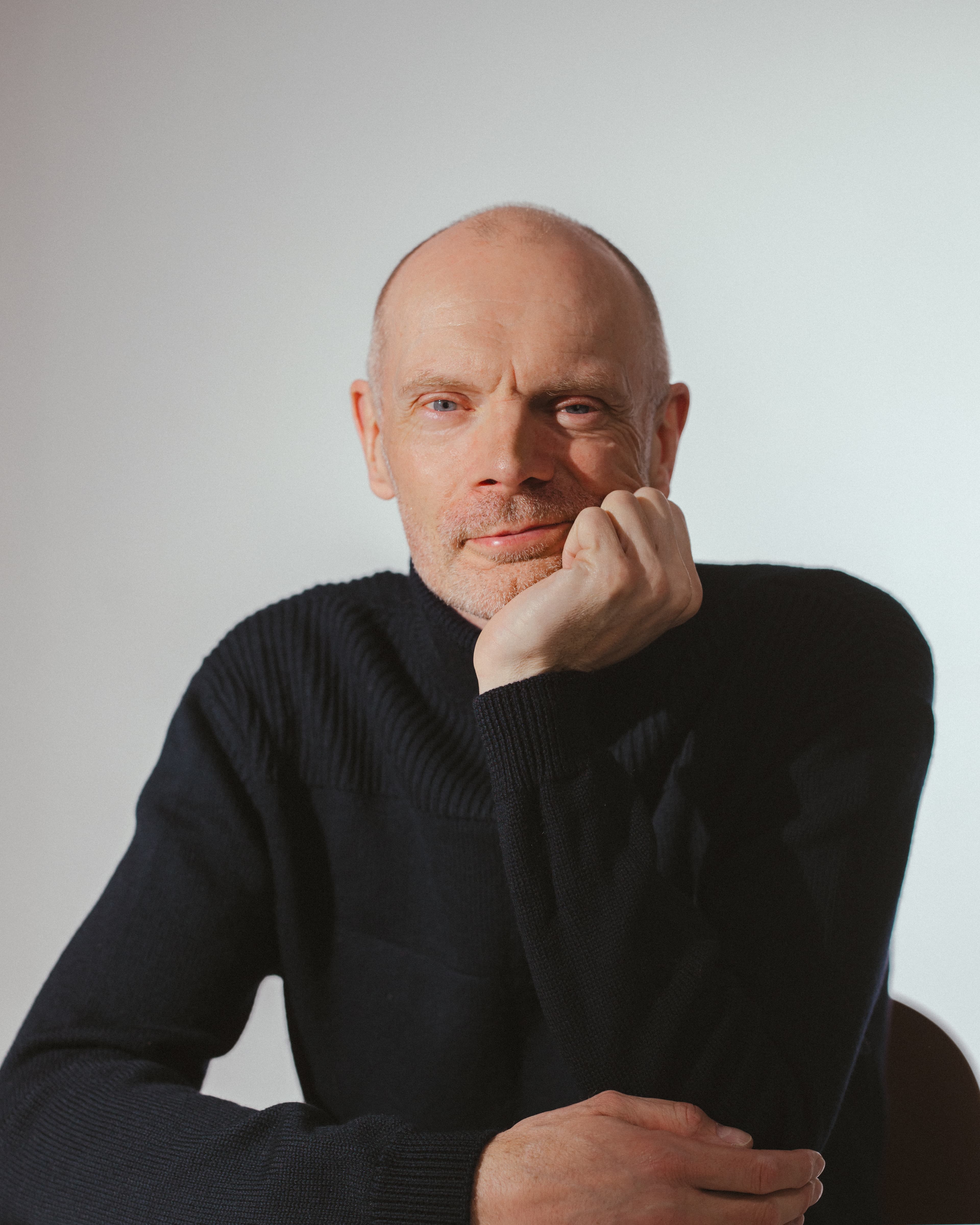
Jesper Eis Eriksen: Why put another prize into the world of architecture that's full of prizes? That's a question that we asked ourselves eight years ago when we started. The short answer is because we had to. The endowment left by our founder said that we had to put an annual prize into the world and it had to be about architecture. We decided to give the prize to a project, not a person, so it's not a lifetime achievement award. We also identified that architecture—the built environment—is governed by silos. We thought, we'll put our money where our mouth is and see how we can bring some of those silos down and bring people working together across them. That's why we say our award goes to a contribution to architecture, not to a piece of architecture.
We've given the prize to a piece of architecture only once out of the eight times. We've given the prize to an organization, a material research unit, and now we've given the prize to a model. And the last thing that we thought about when we started the prize was: How can we make a prize that's actually about the past matter in the future?
One of the guiding principles was that the projects we give the prize to have to have something to offer the future. It has to have knowledge to be taken forward, something that changes the way we work or changes the way we think.
One of the responsibilities that we also highlight is that it's a shared responsibility. It's a responsibility of the jury, the foundation, and the ones winning the prize. We try to keep a very close relationship with the winners throughout their time, and we try to help them throughout their careers.
“Most designers don't fully appreciate how powerful they are, that they're living and working in that fulcrum moment when we decide how we're going to live.”

Bruce Mau and Pamela Elizarrarás Acitores at Atelier Jolie. Photo by Daniel Chen
BG: What do you think is one thing that everybody could commit to doing today that would help the climate movement, invest in young people, and allow young people to feel more supported?
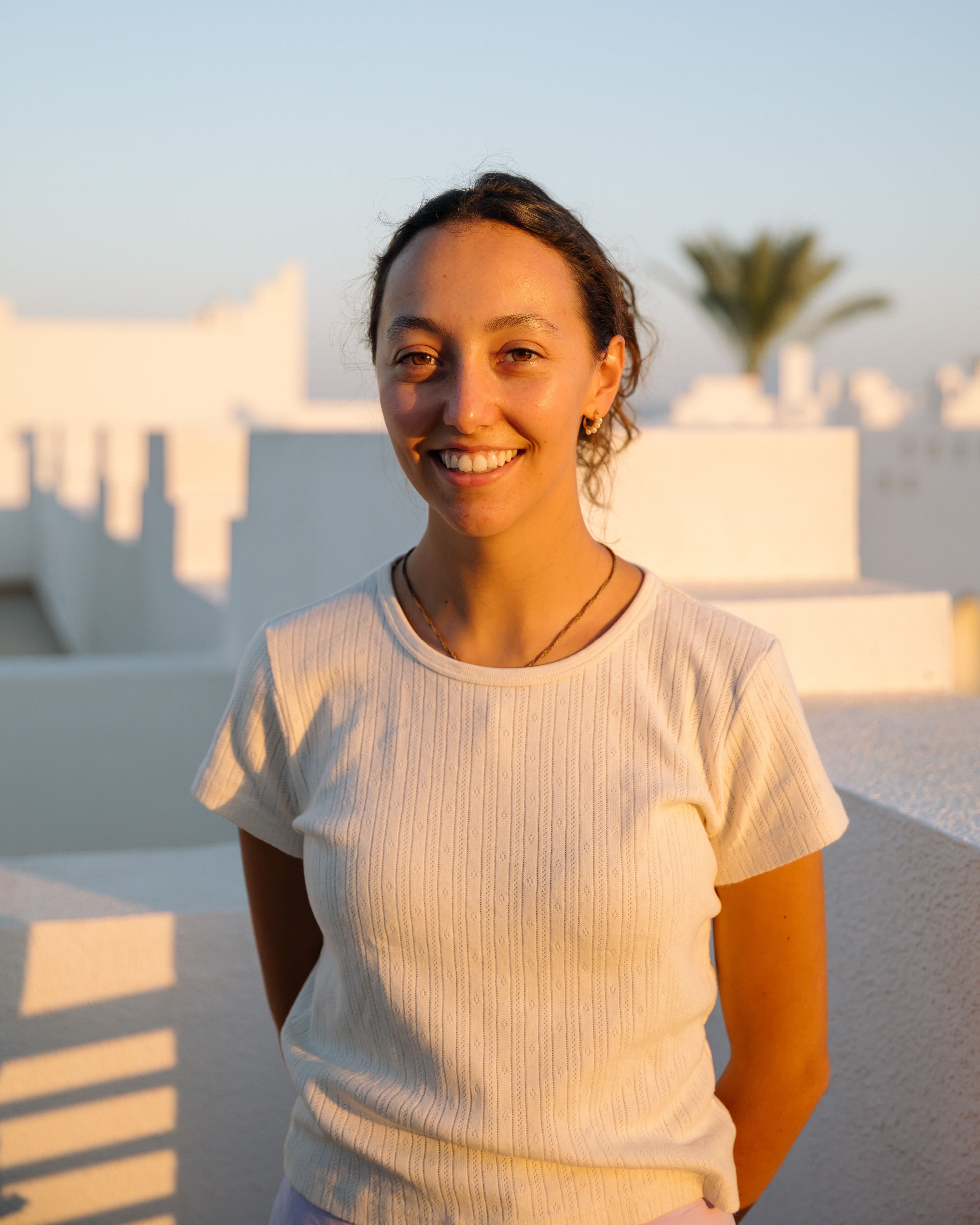
PEA: I would say get involved. I think the climate crisis as a whole—not just the climate movement—is so big, and it touches so many issues that everyone has a space to be able to have an impact. You don't need to be a policymaker or a scientist to really do something and be active in your community. So, take action.
JEE: One of the things that I've found absolutely awe-inspiring about all three years of Young Climate Prize cohorts is that they never point fingers. They don't point fingers at the generations that have made all this mess. They accept the fact that this is me, here, now, and there's a challenge, and I'll live up to that.
BM: Sometimes you will need that person that has your back, that gives you the support, and so on. And there's loads of them out there. It's not just about money. It's about inter-human relationships. American novelist and writer Alice Walker said that the most common way that we give up power is to not realize we have it. I think for designers everywhere, and that's all of us, to really understand the power that we have and to demonstrate that power in changing what we're doing.
I think so much of what we do is just routine. We just keep doing what we're doing, unconscious of the message that we're sending to your generation that we don't care. For me, the core sensibility of design is a caring sensibility. You cared about the user. We ask you to care beyond the user to the ecology and the ecosystems that sustain us.
I think the most important message to future generations is that we care, so that they can actually have the energy and spirit to do what needs to be done to really change the world.
With classes, workshops, residencies, and exhibitions in the historic 57 Great Jones Street, Atelier Jolie is a site for co-creation and the discovery of art, craft and design work from cultures around the world. The Atelier’s current exhibition ‘Where Justice Lives’ is on view from September 15-26, 2026.
LyntonPepper.jpeg&w=3840&q=75)

MORE INSIGHTS
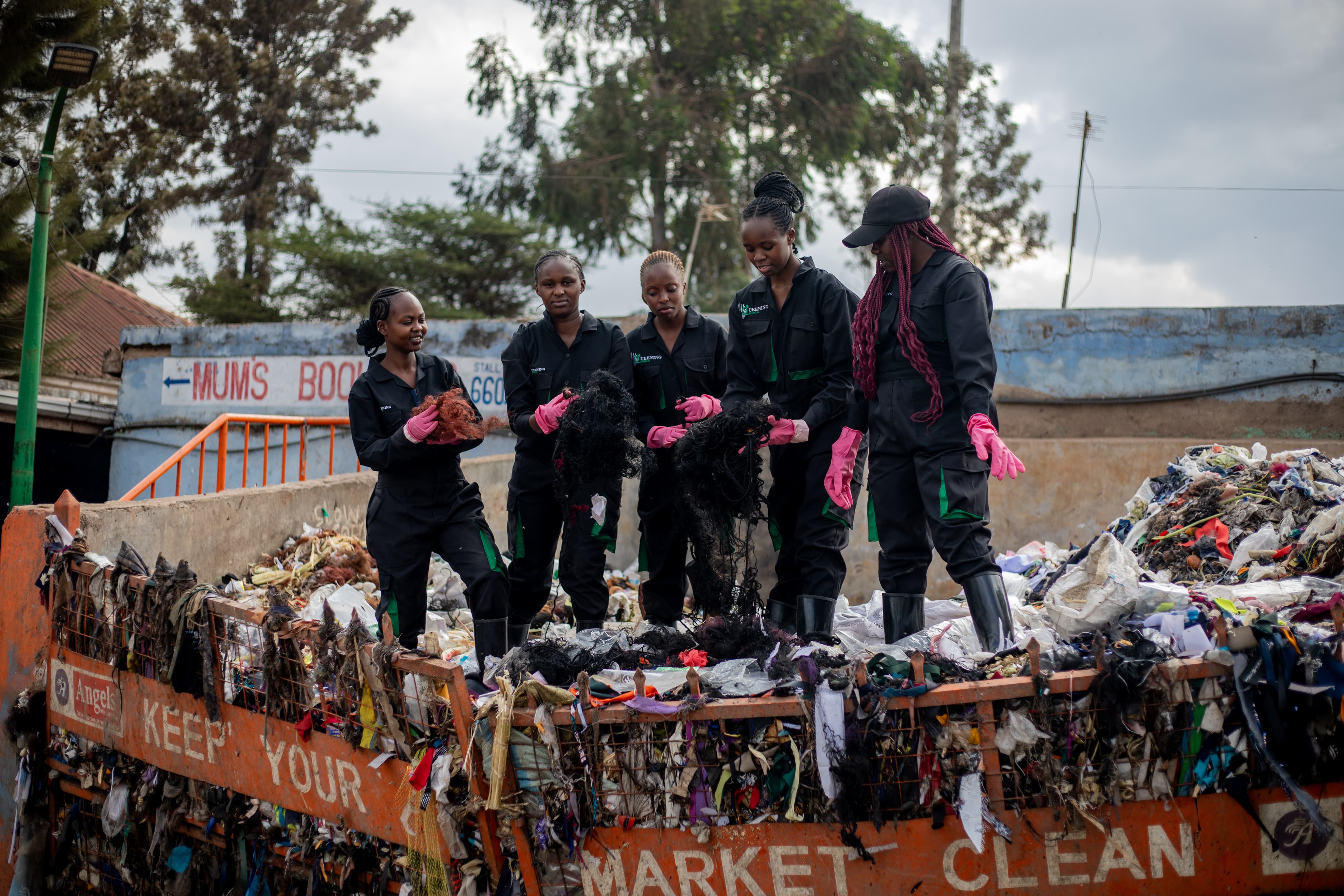
Meet Tomorrow, Young Climate Prize Cohort 03
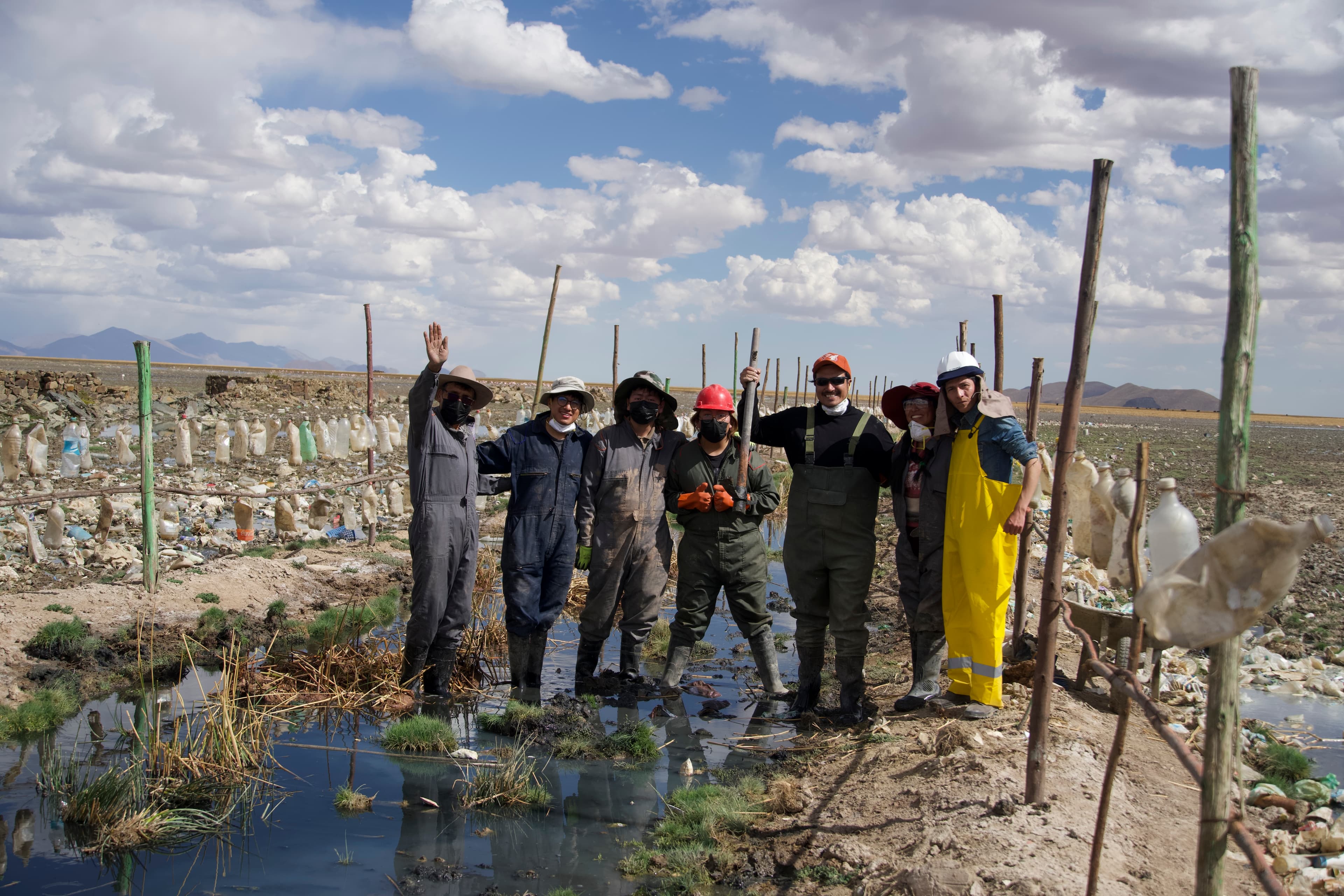
“If I want to save a lake, it’s not something I can do alone”
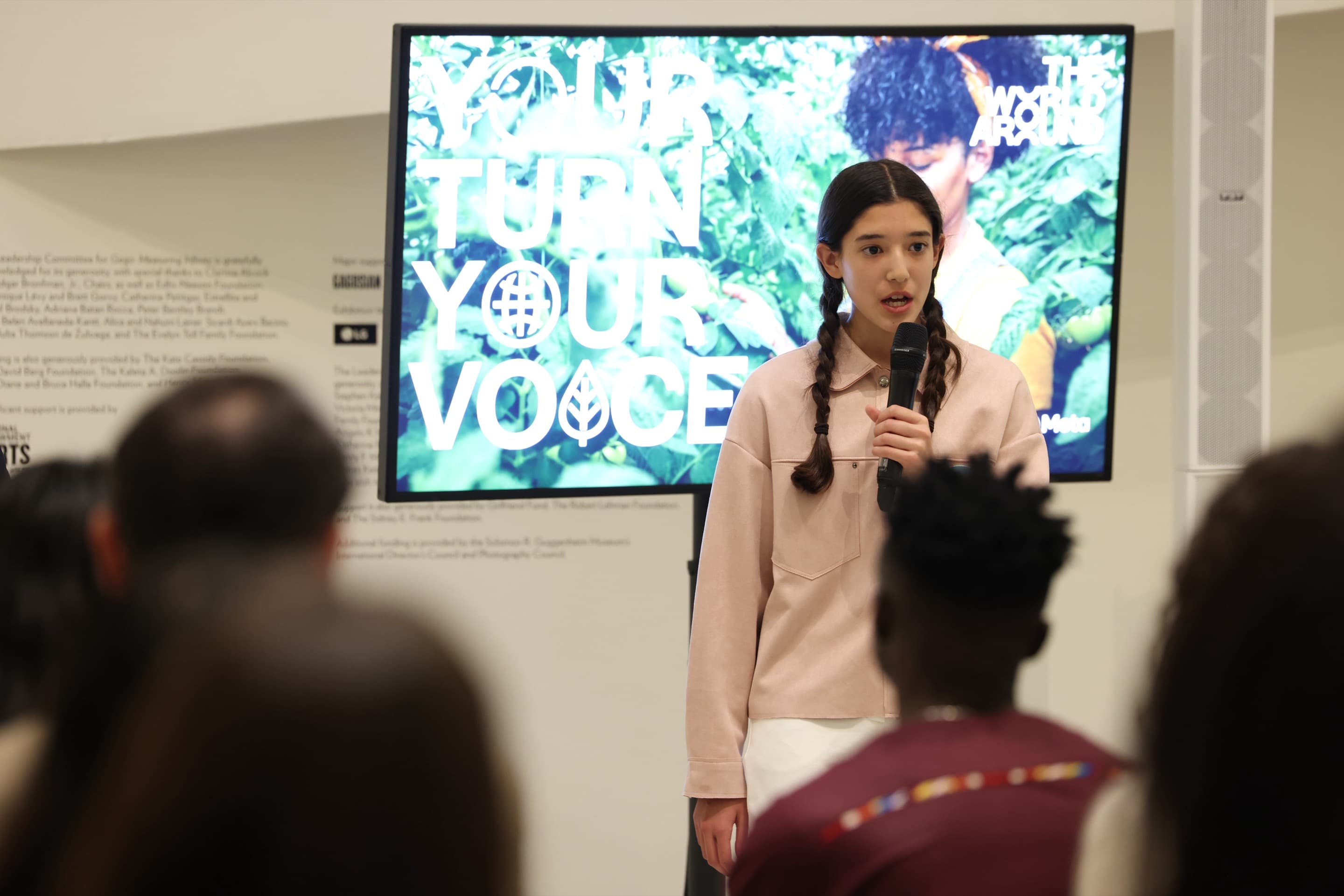
“The Young Climate Prize taught me you can always be an exception”

Young Climate Prize 03 draws 490 Applications from 85 Countries
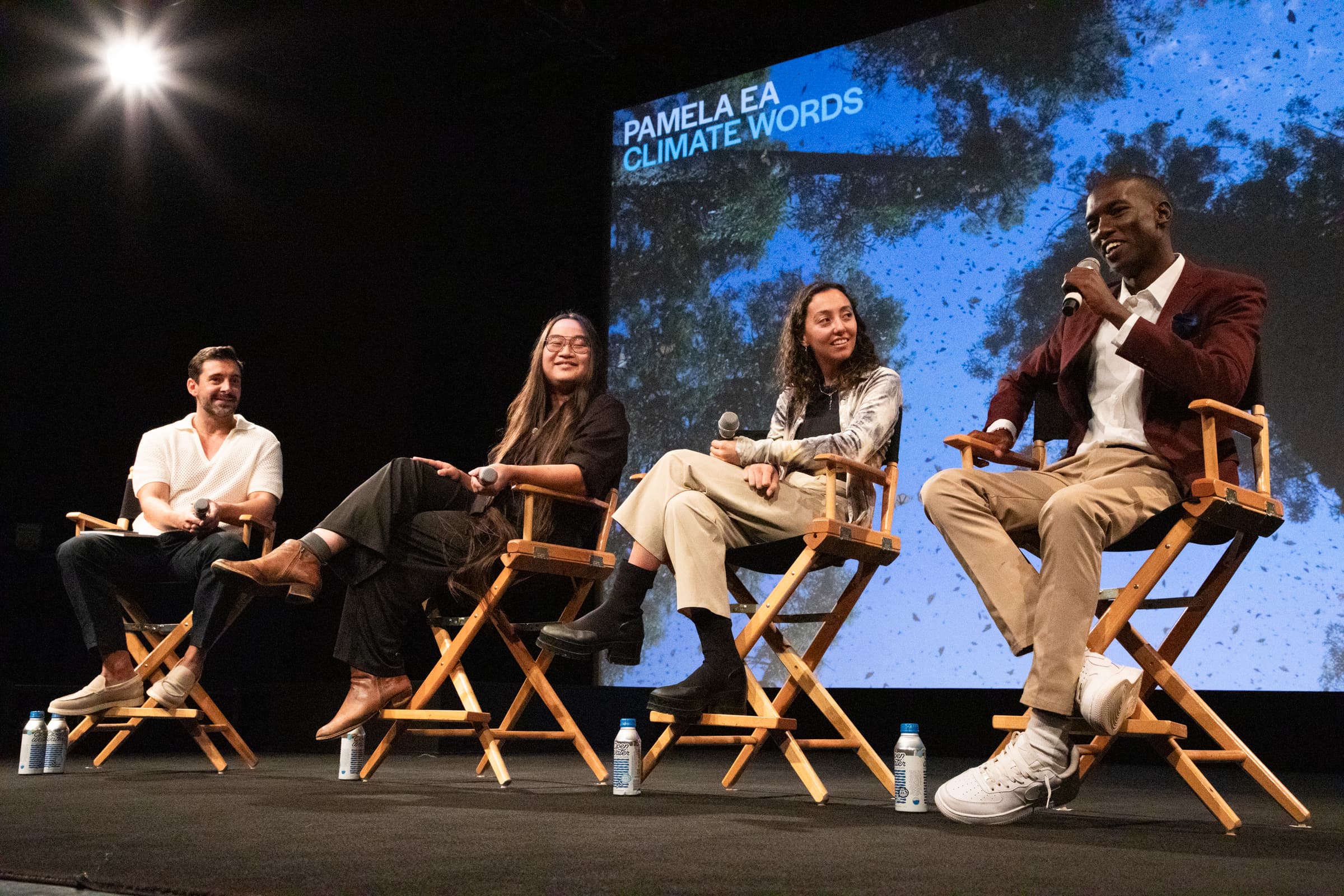
Young Climate Prize alumni participate in Climate Film Festival panel
On "The Burden of a Dream" by Young Climate Voice winner Amara Nwuneli
"A Garden Against All Odds" – Mohamed Salem Mohamed Ali and Beatrice Galilee in conversation